
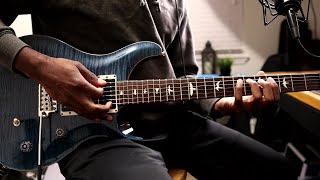
Learn to Play Alabaster by CASS & Eris Ford on Guitar
🛍️ Products Mentioned (6)


TIZO’S R&B CHORD LIBRARY: https://tinyurl.com/mtf6h64x SUBMIT TUTORIAL REQUESTS HERE: https://forms.gle/Um1PKm3ys24LwJeF8 TAKE A LESSON WITH ME: I teach video lessons on Zoom! If you’re a beginner or intermediate guitar player and you’re interested in booking a lesson, DM me on Instagram (@tizoguitar) or email me at tizoguitar@gmail.com. FOLLOW ME: Instagram: https://tinyurl.com/yc7psrd8 Twitter: https://tinyurl.com/wzyunncr Twitch: https://tinyurl.com/mwyhdjk2 SUPPORT THE CHANNEL: Patreon: https://www.patreon.com/tizoguitar CashApp: $tizoguitar Venmo: @Tyler-Griffiths-3 Paypal: @tizoguitar EQUIPMENT I USE: Cameras: Canon M6 Mk II & Canon M50 Lenses: Canon EF-M 22mm f2 & Canon EF-M 15-45mm f3.5-6.3 Microphone: Shure SM58 Tripod: UBeesize 51” Selfie Stick Tripod Lighting: HPUSN Softbox Lighting Kit Strings: Ernie Ball Regular Slinky Nickel Wound Sets, .010 - .046 Picks: Dunlop Jazz III Amp + Effects: Line 6 Helix Video Editing Software: Adobe Premiere Pro (Not Sponsored)
About This Video
Frequently Asked Questions
🎬 More from Tizo Guitar

Office Hours Livestream - 4/10/2026
62 views
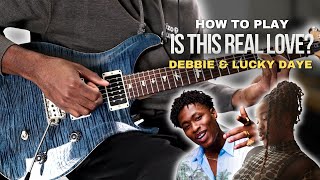
R&B Guitar Lesson - Is This Real Love by Debbie & Lucky Daye
1.6K views
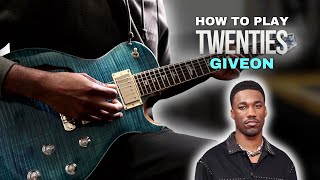
R&B Guitar Lesson - TWENTIES by Giveon
4.5K views
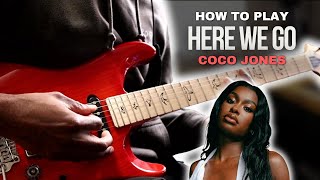
R&B Guitar Lesson - Here We Go by Coco Jones
2.7K views
5.27.2025 Livestream (Condensed)
304 views
4.29.2025 - Q&A Livestream (Condensed)
241 views