
4 Big Differences Between DIY and Certified RV Inspections!
🛍️ Products Mentioned (5)
Want a FREE RV inspection checklist? Subscribe to my monthly newsletter here
Download your FREE Pre-Trip RV Checklist here

AMAZON STORE
ME A COFFEE
Book a 30- or 60-minute call with me via Calendly
DIY RV Inspection vs. Certified Inspection: What’s the Difference? Thinking about inspecting an RV yourself before you buy? 🚨 Before you grab that checklist, watch this! In today’s video, I break down the key differences between a DIY RV inspection and a certified NRVIA Premier inspection. I'll walk you through 4 critical areas—Electrical Systems, Water Systems, LP Gas Safety, and the Exterior—showing you exactly what a certified RV inspector looks for that most DIYers miss. From hot skin tests to LP leak detection, roof evaluations, and hidden water damage, there’s a lot more to a proper inspection than meets the eye! If you're buying a new or used RV, this video could save you thousands in repairs and help you avoid dangerous safety risks. 🛑 ✔️ Key Topics Covered: DIY vs. Certified RV Electrical Inspection How to properly inspect an RV’s water system The importance of a professional LP gas leak test What’s REALLY involved in checking the roof, tires, slides, and exterior Why a Premier RV Inspection can protect your investment 💡 Looking for a certified RV inspector near you? Visit 👉 www.rvhelp.com 👇 Don't forget to like, comment, and subscribe for more RV tips and maintenance how-to's! 🎁 Want to do your own basic RV inspection? 📥 Subscribe to my newsletter at http://www.debsrvservices.net and get a FREE PDF checklist to help guide your DIY pre-purchase walkthrough. 🔧 Need help or a 1-on-1 consultation? Book a 30- or 60-minute call with me via Calendly: https://www.calendly.com/debsrvservices 👇 Download your FREE Pre-Trip RV Checklist here: https://drive.google.com/file/d/1dShmtZU7e0nBlCR48ZKBX6LxwChyzl86/view?usp=sharing SUBSCRIBE FOR MORE INSPECTION TIPS: https://www.youtube.com/@debsrvservices?sub_confirmation=1 AMAZON STORE: https://www.amazon.com/shop/debsrvservices?ref_=cm_sw_r_cp_ud_aipsfshop_ZRT28TFTCHKC4X25YNGY BUY ME A COFFEE: https://www.buymeacoffee.com/debsrvse... 👉 SUPPORT: If you found value in this video, please take a moment to like, share, and subscribe. Your support helps me continue to provide useful content. ✅✅ LEGAL DISCLOSURES ✅✅ ➡️ AFFILIATE LINKS: This video may contain affiliate links, which means I may receive a small commission at no additional cost to you. Thank you for supporting the channel! DISCLAIMER: The information in this video is for entertainment and informational purposes only. We make no warranty, express or implied, regarding the effectiveness or safety of the contents of this video. In no way should the contents of the video, including the tools used, be repeated or tried by anyone. The links on this video to products are for informational purposes only and in no way are an endorsement of the safety or effectiveness of the particular product. Viewers understand that anything contained in this video or linked to or from this video is the sole responsibility of the viewer and in no way provides an express or implied warranty as to the safety or effectiveness of any linked tool, product, or video. Therefore, viewer agrees to release, waive, and discharge us or anyone affiliated with us, from any and all liability, claims, demands, actions, and causes of action whatsoever arising out of or related to any loss, damage, or injury, including death, that may be sustained by the viewer. #RVInspection, #DIYRVInspection, #CertifiedRVInspector, #NRVIA, #RVBuyingTips, #RVChecklist, #RVLife, #RVMaintenance, #RVRepairs, #HotSkinTest, #LPGasTest, #RVWaterSystem, #RVRoofInspection, #RVSlides, #RVLeaks, #AvoidRVMistakes, #UsedRVInspection, #PremierRVInspection, #RVTravel, #FullTimeRV
About This Video
Frequently Asked Questions
🎬 More from Deb's RV Services
I Tried 3 RV Sealants… This One Finally Worked
2.5K views
The Dealer Said the PDI Was Done — Here's What My RV Inspection Found
4.4K views
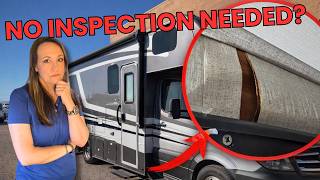
Don’t Let a Dealer Talk You Out of an RV Inspection (Here’s Why)
20.9K views
Lazy Daze Awning Upgrade | Carefree Fiesta Manual Awnings Installed
825 views
Do You Really Need to Inspect a Brand New RV? (Yes — and Here’s Why)
2.9K views
This RV Could Have Seriously Hurt Someone | 2006 Winnebago Inspection
3.5K views