
Build a LinkedIn Job Scraper in 30 Minutes | n8n + Apify Tutorial (Free Template)
🛍️ Products Mentioned (2)
💼 Business owner or operator with a team? We build AI automation systems that cut costs and scale ops — done for you: https://ryanandmattdatascience.com/ai-consultant/ 🚀 Want to make money with AI skills? Join our free community — real projects, real client strategies, and the exact stack we use: https://www.skool.com/data-and-ai 🍿 WATCH NEXT n8n Playlist: https://www.youtube.com/watch?v=MYsr7EIbDG0&list=PLcQVY5V2UY4K0mpuJ-oYO_LI25w5VDUD5 I just landed a new job and wondered—what if I could automate the entire job search? In this tutorial, I show you how to build an n8n workflow that scrapes LinkedIn jobs using Apify, analyzes them with AI agents, and sends the best matches straight to Telegram. This is an intermediate-level build covering three key integrations: Apify for LinkedIn scraping, AI agents for intelligent job analysis, and Telegram for daily notifications. We start by setting up scheduled triggers and manual testing options, then move into scraping jobs with specific filters like location, job type, and experience level. The workflow compares scraped jobs against a Google Sheet to avoid duplicates, filters out irrelevant positions, and uses AI to determine if you're a good fit based on your skills. For jobs that match, a second AI agent generates missing skills analysis, fit summaries, and even cover letter drafts—all automatically sent to your Telegram. If you have some n8n experience, you'll be able to follow along. Every node is covered in detail on the channel, and the complete JSON is available in our free School community. Whether you're actively job hunting or just want to learn advanced automation, this workflow showcases real-world AI system design and practical time-saving techniques. Let me know what workflows you'd like to see next! TIMESTAMPS 00:00 Building an Automated LinkedIn Job Scraper 01:25 Setting Up Workflow Triggers 03:01 Configuring Apify for LinkedIn Scraping 06:02 Setting Up the LinkedIn Jobs Actor 09:49 Testing the Scraper & Cleaning Data 12:02 Preventing Duplicate Jobs with Google Sheets 15:17 Filtering Jobs by Title Keywords 17:32 Building an AI Agent for Job Matching 21:52 Setting Up Structured Output Parser 23:28 Testing the AI Job Fit Analysis 25:04 Second AI Agent for Job Analysis 28:48 Appending Results to Google Sheets 31:52 Sending Job Alerts to Telegram 33:46 Workflow Complete & Next Steps OTHER SOCIALS: Ryan’s LinkedIn: https://www.linkedin.com/in/ryan-p-nolan/ Matt’s LinkedIn: https://www.linkedin.com/in/matt-payne-ceo/ Twitter/X: https://x.com/RyanMattDS *This is an affiliate program. We receive a small portion of the final sale at no extra cost to you.
About This Video
Frequently Asked Questions
🎬 More from Ryan & Matt Data Science
The New Way Small Businesses Are Using AI to Close More Deals
68 views
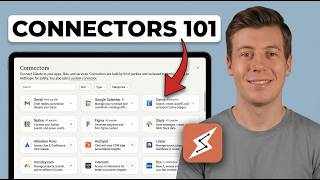
How to Use Claude Cowork Connectors (Step-by-Step Tutorial)
377 views
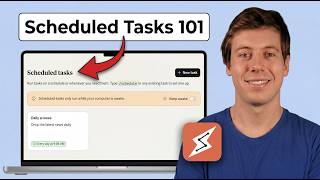
How to Use Claude Cowork Scheduled Tasks (Step-by-Step Tutorial)
398 views
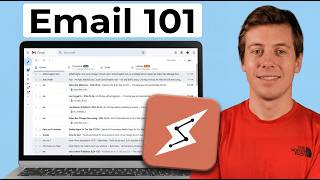
How I Built an AI Email Agent With Claude Cowork (No Code)
650 views
The Claude Cowork Feature That Generates Ideas for You
575 views
I Built an AI Email Assistant in n8n (Community Challenge)
363 views