
13 n8n Workflow Concepts For Beginners (2026 Update)
🛍️ Products Mentioned (2)
💼 Business owner or operator with a team? We build AI automation systems that cut costs and scale ops — done for you: https://ryanandmattdatascience.com/ai-consultant/ 🚀 Want to make money with AI skills? Join our free community — real projects, real client strategies, and the exact stack we use: https://www.skool.com/data-and-ai 🍿 WATCH NEXT n8n Playlist: https://www.youtube.com/watch?v=MYsr7EIbDG0&list=PLcQVY5V2UY4K0mpuJ-oYO_LI25w5VDUD5 In this comprehensive n8n tutorial, I break down every essential component you need to build powerful automation workflows. Starting with triggers and nodes, I explain how data flows through n8n, covering manual triggers, webhooks, schedule triggers, and app events. You'll learn the critical difference between triggers and nodes, how to pass data between components using expressions, and why understanding schema, table, and JSON views is essential for debugging workflows. I walk through working with multiple items, demonstrating the one-to-many and many-to-one patterns using split out, aggregate, and summarize nodes. You'll discover when to use merge nodes (append vs. combine by position), how to handle conditional logic with if and switch nodes, and the proper way to work with binary files like images, PDFs, and spreadsheets. I also cover limiting items, converting data to files, error handling with retry settings, and choosing the right end destinations for your workflows like Google Drive or email notifications. By the end of this video, you'll have a solid foundation in n8n components and be ready to tackle the homework assignment: building an employee data pipeline that incorporates everything covered in this lesson. All workflow files and examples are available in our free school community." TIMESTAMPS 00:00 Introduction to N8N Components 01:05 What are Triggers? 03:10 Understanding Nodes 06:02 Passing Data Between Nodes 09:00 Working with Multiple Items 12:40 Schema vs Table vs JSON Views 16:00 Processing Items in Workflows 18:00 One to Many: Split Out Node 20:00 Many to One: Summarize & Aggregate 22:00 The Merge Node 25:50 Branches and Workflow Splits 27:20 Limiting and Filtering Items 29:00 Conditional Logic: If and Switch 31:20 Saving Items to Files 33:40 End Destinations for Workflows 35:00 Working with Binary Files 38:00 Error Handling in N8N 40:00 Homework Assignment OTHER SOCIALS: Ryan’s LinkedIn: https://www.linkedin.com/in/ryan-p-nolan/ Matt’s LinkedIn: https://www.linkedin.com/in/matt-payne-ceo/ Twitter/X: https://x.com/RyanMattDS *This is an affiliate program. We receive a small portion of the final sale at no extra cost to you.
About This Video
Frequently Asked Questions
🎬 More from Ryan & Matt Data Science
The New Way Small Businesses Are Using AI to Close More Deals
68 views

How to Use Claude Cowork Connectors (Step-by-Step Tutorial)
377 views
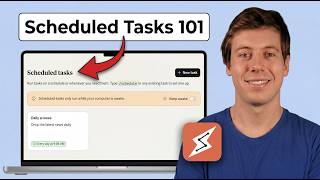
How to Use Claude Cowork Scheduled Tasks (Step-by-Step Tutorial)
398 views

How I Built an AI Email Agent With Claude Cowork (No Code)
650 views
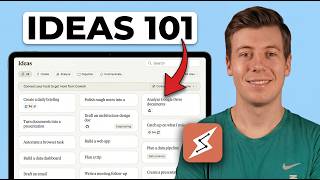
The Claude Cowork Feature That Generates Ideas for You
575 views

I Built an AI Email Assistant in n8n (Community Challenge)
363 views