
How to Route Audio on the X32/M32 | Internal vs External Outputs Training
If you're confused by how audio routing works on the Behringer X32 or Midas M32, you're not alone! In this video, I break down Internal vs External Outputs on the X32/M32 mixer and show you exactly how to route audio to your speakers, stream, broadcast console, or outboard gear. Have Questions? Leave a Comment or send an Email. CrazyAmazingNathan@gmail.com ✅ Book a Training/ Coaching time with Nathan via Zoom. www.CrazyAmazingDesigns.com/training 00:00 - Let’s Clear Up X32/M32 Output Routing Confusion 00:12 - Internal vs External Outputs 00:59 - OUT1-16 Tab: Internal Routing Explained 01:31 - OUT1-16 Tab: Routing to Internal Outputs 02:02 - AUX Routing: Assign Internal Sources to 1/4” Outputs 02:40 - Assigning Internal Outs 1-16, to External Output Connectors 03:32 - Common Mistakes: Routing Inputs straight to Output Connectors 05:39 - DEMO: Common Mistakes with AES50 Routing 06:43 - AES50 Outputs: Routing to Stage Boxes 08:08 - Signal Tap Overview & Settings 09:04 - Thank You for Watching! Subscribe for More
About This Video
Frequently Asked Questions
🎬 More from Crazy Amazing Designs
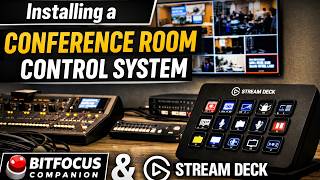
Installing a Conference Room (Control System) with BitFocus Companion/ StreamDeck
2.9K views
Controlling LED Lights with StreamDeck (BitFocus Companion)
1.3K views
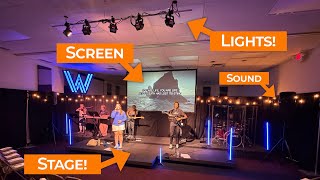
Building a Mobile Audio/ Video / Lighting Setup for Young Adult Ministry
1.9K views
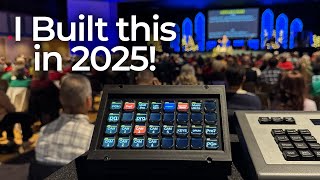
2025 was Filled with Crazy FUN Projects at Crazy Amazing Designs
870 views

Import .PPTX as Editable Presentation | ProPresenter V21
1.0K views

Introducing my LED Christmas Tree Controller built for Live Events | Crazy Amazing Designs
978 views