
A “Vocal Chain” Doesn’t Exist
If you’ve ever searched for the “perfect vocal chain”… this video might change how you think about mixing vocals. Or at least challenge the way you think. A lot of producers and home studio engineers are told that if they just find the right combination of microphone, compressor, EQ, saturation, and reverb, their vocals will magically fall into place. But in real recording sessions, professional engineers rarely use the exact same vocal chain twice. Not even with the same singer. Not even on the same record. In this video I break down why the idea of a fixed vocal chain is often misunderstood, and why great mixes come from serving the song, not copying presets. We’ll talk about how real mix decisions are made, including: • Why vocal chains change from song to song • Peak vs RMS compression and how they affect vocals • When an 1176 style compressor works better than an LA-2A • Why EQ choices depend on arrangement and performance • How contrast and creative processing help vocals stand out in a mix • Why something that sounds “wrong” in solo can be perfect in the mix If you're a home studio musician, producer, or mixing engineer trying to improve your vocal mixes, this video will help you move beyond presets and start thinking like a mixer. Because in the end… *The song is king.* *My Email:* AndrewChapmanCreative@gmail.com Gear Used In This Video: (Links are affiliate unless otherwise noted) Lewitt Pure Tube Condenser Microphone: Sweetwater: https://sweetwater.sjv.io/WOqNGZ zZounds: https://www.zzounds.com/a--3993776/item--LEWPURETUBE?siid=337121 A Designs P-1 Pacifica 500 Series Preamp: http://sweetwater.sjv.io/kO6NWN Plugins: https://pluginboutique.com/?a_aid=691f3713a627d Other Gear I Typically Use For Audio: (affiliated unless noted otherwise) My Dachman Mics: https://www.dachmanaudio.com?sca_ref=10393097.24vWojhlskIpJD My Chandler TG2: https://sweetwater.sjv.io/aOajEM My Interface: https://www.zzounds.com/a--3993776/item--ANEDISCRT8ORXSYN My Main Monitors: https://www.zzounds.com/a--3993776/item--NEUKH120II?siid=335650 My Headphones: https://www.zzounds.com/a--3993776/item--BEYDT770PRO250?siid=302076 My LiN76 Compressor: https://www.zzounds.com/a--3993776/item--LIALIN76?siid=322099 Plugins: https://pluginboutique.com/?a_aid=691f3713a627d My Camera Gear: My Main camera: https://sweetwater.sjv.io/RGQarg My Main Lens: https://sweetwater.sjv.io/554z7L My Main On Camera Microphone: https://www.zzounds.com/a--3993776/item--RODVMNTG?siid=272904 My B Lens: https://sweetwater.sjv.io/qzPo2L My Softbox: https://amzn.to/3EyfA2Q My Video Lighting: https://amzn.to/4oISvMC Subscribe for real-world, no-hype recording insights: www.Youtube.com/@UC7erPUP_HjRQvLg53ck1_Aw Patreon: https://patreon.com/andrewchapmancreative Follow me on TikTok/IG: @andrew_chapman Business inquiries: andrewchapmancreative@gmail.com Timestamps: Vocal Chains Don't Exist: 0:00 The SONG Is King: 0:52 Vocal Session: 3:53 Mix Competition WINNER: 9:03 What Inspired This Conversation: 10:36 What Compressor You Should Use: 12:16 There are NO RULES in audio: 18:16 What The Right Question To Ask Is: 19:13 #homerecording #vocalchain #Vocalmic #recordingvocals #homestudio
About This Video
Frequently Asked Questions
🎬 More from Andrew Chapman Creative

Underrated Vs Overrated Studio Gear Ep 9
13.2K views

The Most Powerful Audio Interface Nobody Talks About
23.7K views

Most Microphones Are Generalists, This One Isn’t (Lewitt PURE TUBE review)
7.4K views

The Biggest Microphone Misconceptions (Everyone Gets This Wrong)
17.1K views
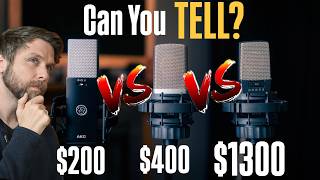
$200 vs $400 vs $1300 Mic… Can You ACTUALLY Tell the Difference? (AKG C114 vs C414)
13.1K views

The Supreme Court Just Demonetized AI Generated Music
58.5K views