
Why use many streetlights when one will do?
🛍️ Products Mentioned (6)

because before every street was wired to the grid, how else would you light up a city? ■ Austin Energy:
because before every street was wired to the grid, how else would you light up a city? ■ Austin Energy: https://austinenergy.com/ ■ Moonlight Towers
Jodi Shores at Sparksight

LATERAL, free weekly podcast:
LATERAL, free weekly podcast: https://lateralcast.com/ https://youtube.com/lateralcast WEEKLY NEWSLETTER
LATERAL, free weekly podcast: https://lateralcast.com/ https://youtube.com/lateralcast WEEKLY NEWSLETTER
The moonlight towers of Austin, Texas, are the last urban municipal lighting towers in the world: because before every street was wired to the grid, how else would you light up a city? ■ Austin Energy: https://austinenergy.com/ ■ Moonlight Towers https://www.austintexas.org/listings/moonlight-towers/5895/ Producer: Jodi Shores at Sparksight https://sparksight.com Director: Kelly Shores at @readysetdrone DoP: Noah Killeen Drone: Kris Waters Editor: Michelle Martin https://www.youtube.com/@OnTheCrux 🟥 MORE FROM TOM: https://www.tomscott.com/ (you can find contact details and social links there too) 📰 WEEKLY NEWSLETTER with good stuff from the rest of the internet: https://www.tomscott.com/newsletter/ ❓ LATERAL, free weekly podcast: https://lateralcast.com/ https://youtube.com/lateralcast/ ➕ TOM SCOTT PLUS: https://youtube.com/tomscottplus 👥 THE TECHNICAL DIFFICULTIES: https://youtube.com/techdif
About This Video
Frequently Asked Questions
🎬 More from Tom Scott

After ten years, it's time to stop weekly videos.
12.1M views
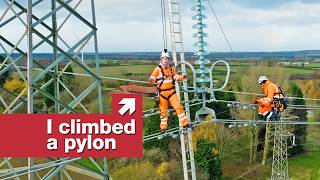
People are going to be angry about pylons.
2.1M views

Why the government drops flies on California
2.2M views

A robot just swapped my electric car's battery
2.0M views

Why don't subtitles match dubbing?
2.0M views

These tiny ships have a serious purpose
1.6M views