
The Merrill’s First Principles of Instruction
Merrill's First Principles of Instruction What are Merrill's First Principles Merrill Instructional Design Merrill's Principles of Instruction Instructional Design Models How to use Merrill's Principles Merrill's First Principles M. David Merrill Teaching Strategies Learning Theories Effective Teaching Methods Instructional Design Principles Task-Centered Learning Activation Principle Learning Demonstration Principle Learning Application Principle Learning Integration Principle Learning Problem-Centered Instruction Instructional Design for Beginners eLearning Design Educational Psychology Curriculum Development Teacher Training How to Design a Course Best Teaching Practices Student Engagement Strategies Learning Design Framework Principles of Effective Instruction Instructional Theory Teaching Methods That Work Training and Development Models Corporate Training Design Online Course Design Educational Design Principles Applying Merrill's Principles Merrill Model Examples Instructional Design Tutorial Teaching Fundamentals Pedagogy Basics Learning Activation Skill Demonstration Real-World Application Knowledge Integration Task-Based Learning Instructional Strategies for Educators Teacher Tips Course Creation Guide Lesson Planning Modern Teaching Techniques Effective Learning Design Instructional Design Process What is Task-Centered Learning #MerrillsFirstPrinciples, #instructionaldesign , #MerrillPrinciples, #teachingstrategies , #learningtheory , #education , #edtech , #teachertraining , #elearning , #coursedesigner , #pedagogy , #andragogy , #effectiveteaching , #learningdesign , #educationalpsychology , #curriculumdesign , #teachertips , #onlineteaching , #corporatetrainingindonesia , #studentengagement , #problembasedlearning , #TaskCentered, #ActivationPrinciple, #DemonstrationPrinciple, #ApplicationPrinciple, #IntegrationPrinciple, #InstructionalModels, #teachingmethods , #howtoteachonline , #learningdevelopment , #educationforall , #teachbetter , #learningscience , #instructionalcoach , #facultydevelopment , #k12 , #highered , #lifelonglearning , #microlearning , #blendedlearning , #distancelearning , #learningtips , #studytips , #teacherpd , #professionaldevelopment , #SchoolOfEducation, #teachenglishintamil , #stemeducation , #historyteachers Join this channel to get access to perks: https://www.youtube.com/channel/UCgQ3R0mnmsuvrhzUXd_qdYg/join Please don't hesitate to write an email for suggestion, ideas, advice, support, critics and even training workshop for teachers. My email address is here theteachingpartner@gmail.com Please support me by subscribing to my physics channel as well https://www.youtube.com/@physicspartner/videos Please support me by subscribing to my Business channel as well https://www.youtube.com/@businesspartnerchannel
About This Video
Frequently Asked Questions
🎬 More from Teaching Partner
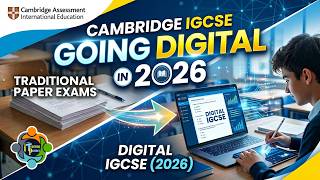
Cambridge IGCSE Goes Digital in 2026 The Big Shift
60 views
Incorporate digital citizenship into your curriculum
61 views
I.B Standard level (SL) Vs I.B Higher Level (HL)
65 views

Raising Kids in the Digital Age: How to Find the Perfect School Fit
92 views
The Best IGCSE/A-Level/IB Revision Resources for 2026.
253 views

How Smart Teachers Build a Podcast & Course Together
89 views