
How to Turn Fallen Trees Into Awesome Wood Projects
🛍️ Products Mentioned (10)
= = = Download App Instructions
Read Full Article

*** Wagner Moisture Meters
*** Magswitch Affiliate Store
*** Canadian Amazon Affiliate Store
*** Taylor Tools Affiliate Store

*** Amazon Affiliate Store

*** Merch & T-SHIRTS
** Like me at Facebook
** Visit the website
All woodworking projects start with wood specific for the job, which could be natural wood, plywood, MDF and more, but all these woods have their own characteristics that every woodworkers needs to know, natural woods have the ability to absorb and give off moisture which in turn makes the wood expand and contract accordingly, it imperative that woodworkers know this so they can adjust for this movement in their builds, nobody want to spend good money or wood, and many hours making some beautiful piece of furniture only to find a few week later the joints are loose or wood has cracked or a finish is fogged and/or lifting off the wood, and of these thing can and do happen when properly prepping the wood and knowing it's moisture content for it's environment which is called the wood's equilibrium. = = = Download App Instructions here - https://bit.ly/4oSKt3N Read Full Article Here - https://bit.ly/3LLfAjr *** Wagner Moisture Meters - https://www.wagnermeters.com/?ref=COLINKNECHT *** Taylor Tools Affiliate Store - https://lddy.no/18zkg *** Amazon Affiliate Store - https://www.amazon.com/shop/woodworkweb *** Magswitch Affiliate Store - https://mag-tools.com/discount/COLIN_KNECHT *** Canadian Amazon Affiliate Store - https://bit.ly/3CiAFKi *** T-SHIRTS and Fun Stuff - https://teespring.com/stores/woodworkweb-2 **** Subscribe here - https://www.youtube.com/user/knecht105 ** Like me at Facebook: https://goo.gl/DLgvoa ** Visit the website: http://www.woodworkweb.com ** Follow on Instagram - https://www.instagram.com/colinknecht ** Follow on Twitter: https://twitter.com/woodworkweb
About This Video
Frequently Asked Questions
🎬 More from WoodWorkWeb
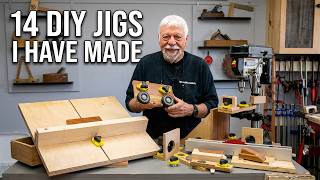
DIY Magswitch Jigs So Clever You'll Regret Not Building Them Sooner
11.5K views

This DIY Plane Scraper Changed My Woodworking
25.3K views

Is Your Table Saw Dangerous Without This ?
12.2K views

DIY Custom Wooden Chisel Box That Keeps Your Tools Safe
6.6K views

New Woodworking Phone App Is Changing How I Work, Plus Awesome Bench Clamp Build
38.1K views

Breaking Bad Coffee Table! No plans, Pure Screenshots
6.2K views