
$40 smart glasses
$40 smart glasses, is that even possible, actually yes! but how do they compare to the best of the best, the rayban meta? I originally bought the Ray-Ban Meta smart glasses because I wanted a pair of smart glasses I could actually use in real life — not just as a tech toy. The problem is simple: they’re sunglasses. That makes them great during the day, but not ideal at night, indoors, or in low-light situations. So I started looking for something with clear lenses that I could wear anytime, day or night — and that’s when I decided to experiment with some very affordable smart glasses, including this $40 Ray-Ban Meta look-alike. In this video, I compare my $400 Ray-Ban Meta with this $40 smart glasses knockoff, focusing on what actually matters in daily use. 🔊 Audio Quality (Big Difference) The biggest gap between these two is audio. • The Ray-Ban Meta clearly win when it comes to speakers and microphones — they sound good, calls are clear, and voice commands work reliably. • The $40 smart glasses, on the other hand, have very weak speakers and poor microphone quality. You can use them, but it’s not a great experience. 📷 Camera & Recording Surprisingly, the camera on the $40 glasses actually holds up. • Photo and video quality are better than expected • Not on the same level as Ray-Ban Meta, but definitely usable • For casual recording, it does the job They can also be used for: • Voice recording (up to ~30 minutes) • AI features • Translation That said, the voice recording quality is poor, but having the feature at this price is still impressive. 👓 Design & Comfort Design-wise, these cheap smart glasses are actually solid: • Lightweight • Comfortable • Easy to wear for long periods • Feel surprisingly sturdy As regular glasses, they’re totally fine, and in some situations, more practical than sunglasses. 💰 Final Thoughts Are they better than Ray-Ban Meta? No. Are they a replacement? Not really. But for $40, they’re honestly a pretty good deal — especially if you want: • Clear-lens smart glasses • A secondary pair • Something you’re not afraid to wear daily This video isn’t about saying one is “better” — it’s about understanding what you actually get for $40 vs $400, and whether the cheap option makes sense for your use case. 00:00 Intro 01:28 design and build quality 02:58 charging and case 04:44 Audio quality 08:31 image quality 09:20 video quality 12:48 conclusion I hope you enjoy this video and if you have please consider subscribing to my channel, it will mean a lot to me if you do since I put a lot time and effort into making these videos. *this video description may contains Affiliate links
About This Video
Frequently Asked Questions
🎬 More from Rage Studios
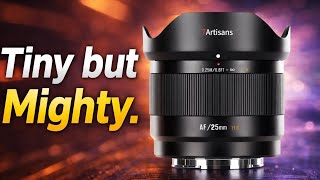
7Artisans 25mm f1.8 light Review (Sony E Mount) APS-C Surprisingly GOOD!
177 views

Brightin Star 85mm f/1.8 Review – The BEST Budget Portrait Lens for Sony E-Mount?
313 views
TELESIN DJI Action Grip – Quick Unboxing & Demo for DJI Action Cameras #unboxing
151 views

World’s First Two-Way Talking Frame|Vinabot AI Talking Frame
334 views
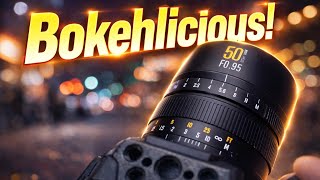
Brightin star 50mm F0.95 markII review with samples
1.1K views

Meepo V3 Max Review – Real Range Test, Real Speed, Real Riding
403 views