
Why You're Afraid To Take Risks In Your Business (And How To Overcome The Fear)
🛍️ Products Mentioned (3)
If you're feeling stuck in your business, it's probably not because you don't know what to do - it's because there's fear around what you know you need to do next. In this video, I share the simplest framework I've found for overcoming any fear: find a bigger one. I break down: → Why we fixate on small fears while ignoring massive ones → How "no more ifs" changed the way I make decisions → Why making the wrong decision beats making no decision → The hidden cost of keeping an underperformer (it's not their salary) → How to stop torturing yourself with hypotheticals Hopefully this helps you 🫡 Learn More About Orbit Marketing: → Visit Our Website: https://orbitmarketing.io/ → Book A Call: https://api.leadconnectorhq.com/widget/booking/onkh0t7y3dIlC2Njpybl → Join Our Newsletter: https://digitalgravitynewsletter.com/ Let's Connect: → Twitter: https://x.com/LouisShulman → LinkedIn: https://www.linkedin.com/in/louisshulman/ → Instagram: https://www.instagram.com/shulmanlouis/
About This Video
Frequently Asked Questions
🎬 More from Louis Shulman
Eric Jorgenson, The Book of Elon: A Guide To Purpose and Success
712 views
How I Booked 43 Sales Meetings For My Agency Last Month (Full Walkthrough)
49 views
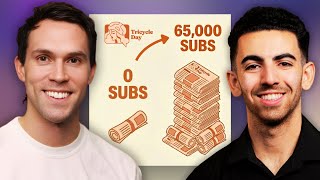
Henry Winslow: Building Tricycle Day To 65K Newsletter Subscribers
62 views
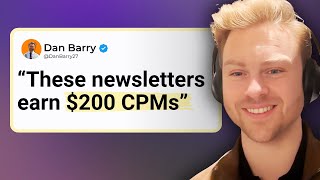
Maximizing Newsletter Sponsorship Earnings with Dan Barry from Revenews
103 views
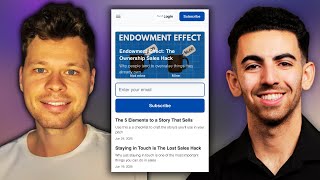
How To Get 7,000 Newsletter Subscribers in 2 Weeks with Nic Conley from The Follow Up
152 views
Building Community-Driven Internet Businesses with Jordan Mix, Partner at Late Checkout
65 views