Vigyata.AI
Is this your channel?

Life After 6 Months Of Isolation

6.0K views· 170 likes· 6:28· Oct 7, 2020

🛍️ Products Mentioned (6)

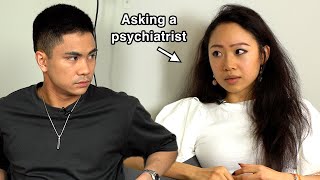
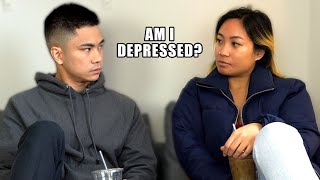
Lulu is a recent UC Berkeley graduate whose past few months have been spent at home in quarantine due to COVID. She shares some of her thoughts on embracing time alone, self awareness, dealing with stress, and facing past traumas during months in quarantine/isolation. Directed, filmed, and edited by Chris Jereza. Have a story to share? Message me on Instagram. Make sure to subscribe and turn on notifications to keep up-to-date with more content. Inspired by: Humans of New York, Elliot Choy, Midnight Gospel, Joe Rogan, VICE, Jubilee, LAWHF, and Soft White Underbelly. Join the Discord https://discord.gg/VKE29H5 My gear: The main camera: https://amzn.to/31500Wm The main lens: https://amzn.to/2E3xOud The vlogging lens: https://amzn.to/2E3L0PJ The lav mics: https://amzn.to/316sizw The shotgun mic: https://amzn.to/2E7bpfo
About This Video

After six months of isolation, I sat down with Lulu (fresh out of UC Berkeley) to talk about what happens when the noise disappears and you’re stuck with yourself. We get into this really human thing we all do: when we feel terrible, we hunt for something to blame—work, friends, parents, whatever. But when you’re alone, it’s way harder to outsource the problem, and it forces this uncomfortable self-awareness where you’re like… damn, maybe it’s me. That’s where the real growth mindset stuff starts, even if it sounds cliche. We talk honestly about coping habits—like using alcohol because it “works” in the moment, especially when it’s accessible and you’re isolated. We also get into college and that first taste of freedom after being sheltered, how people swing hard, and how a lot of emotions you never dealt with show up all at once. From there we go into oversharing, compulsively messaging people when you’re stressed, and how unloading your emotions can cross boundaries and turn friendships toxic if nobody says anything. Toward the end, we touch on childhood stuff—core beliefs, insecurity, abandonment triggers—and the idea that you might not erase them, but you can recognize when you’re triggered and choose not to react. I’m not a psychologist, but I’ve learned that looking in the mirror beats blaming the world every time.

Frequently Asked Questions

🎬 More from Christopher J