Vigyata.AI
Is this your channel?

The Keys to Complex Melodies

1.7K views· 157 likes· 8:36· Apr 11, 2026

🛍️ Products Mentioned (4)

Online Class: https://chamberscourses.com ICONIC Drums: https://www.chambersmixedit.com/product-page/iconic-2 Waves Triple D: https://waves.alzt.net/R00qoa Contact: chambers@chambersmixedit.com https://www.instagram.com/chambersonit https://twitter.com/chambersonit https://www.tiktok.com/@chambersonit https://soundcloud.com/chambersonit Thank you for watching. 0:00 Piano Layers 3:11 Strings 5:01 The Flip 7:33 Final Beat


About This Video

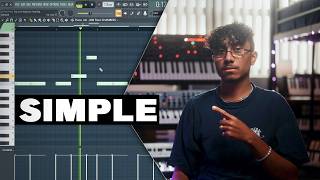
What’s up, everyone—Chambers. In this video I’m in the studio trying a cool idea: build a really complex, big orchestral melody from scratch, then sample it myself and flip it into a hard beat. I start by loading orchestral sounds and laying down piano layers with two bass octaves for that powerful feel. From there I’m using a bunch of my go-to techniques to move fast—like running up and down the scale, constantly changing pitch to hear it fresh, and my “down four” trick (dropping four scale steps from the root) to add emotion without the progression falling apart. Once the layers are talking—counter melodies, different note lengths, and lines moving in opposite directions—I clean the piano with Manny Marroquin Triple D to pull out the mud that clashes with the bass. Then I add strings (including a higher tremolo layer), do inversions to change the feel without changing the notes, and finish it with a human-sounding violin top line. After that, I pitch the whole sample down and go straight into ICONIC/ICONIC 2 for drums—808, open hat, snare that cuts, simple hat rolls at low tempo, and a clap layer halfway through for punch. The big takeaway: emotion comes from layers and movement, but the beat only hits if your drum sounds are actually strong.

Frequently Asked Questions

🎬 More from Chambers