
Stanford FCU Tech Card Review 2026 | Worth It or Leave It?
Stop overpaying on interest and missing out on high-value rewards for your digital lifestyle with the Stanford FCU Tech Card, the ultimate Visa Signature tool for tech-heavy spending. This review breaks down how you can leverage a 25,000-point welcome bonus and 3x rewards on major tech giants to maximize your financial return. Designed for the modern consumer, this card eliminates the typical burdens of high fees and complex debt management by offering a robust balance transfer strategy and premium lifestyle perks. Whether you are balancing a budget or optimizing your next gadget purchase, understanding the specific mechanics of this credit union staple is essential for any tech enthusiast looking to escape the trap of traditional banking fees. ### Pros * Zero annual fee, zero foreign transaction fees, and zero balance transfer fees. * High 3x points multiplier for direct purchases at Amazon, Google, and Apple. * Generous 25,000 bonus point introductory offer after meeting spend requirements. * Extremely low 1.99 percent introductory APR on balance transfers for the first six months. * Includes Visa Signature premium benefits like 24/7 concierge and travel assistance. * Additional 2 percent cash bonus for Ambassador level members, adding long-term value. ### Cons * Strict annual reward caps of 12,000 points for the 3x category and 6,000 for the 2x category. * Requires membership in Stanford Federal Credit Union, limiting accessibility to certain groups. * The 1.99 percent introductory APR window is significantly shorter than many national competitors. * Bonus multipliers are merchant-code specific and do not apply to third-party retailers. * Variable interest rates apply immediately after the short introductory period ends. While these features suggest a powerhouse for your wallet, a hidden detail in the fine print could completely negate your earnings if you aren't careful. There is one specific restriction that most users overlook until it is too late. You might think you have mastered the system, but the final verdict on whether this card is a true asset or a calculated risk remains to be seen. #StanfordFCU #TechCard #CreditCardReview #VisaSignature #TechRewards #FinancialPlanning #CashBack #DebtConsolidation #StanfordCommunity #BankingTips ⚠️ The views and opinions expressed on this channel are solely those of the creator and do not reflect the views of any companies or organizations mentioned. All product reviews and tutorials are based on personal experiences and research. Any pricings, percentages, rates, etc. mentioned in any videos are accurate until the time of recording. Please ensure to check the product info for the most updated numbers. While I strive for accuracy and thoroughness, all information provided is for general informational purposes only. Please do your own research before making any purchasing decisions. This channel may include affiliate links, which means I may earn a commission if you make a purchase through those links at no additional cost to you. By watching, you acknowledge that you are solely responsible for any decisions made based on the content provided. For business inquiries, please contact fixthisthenthat@gmail.com Attribution: Stock footage provided by www.freepik.com, www.pexels.com, www.canva.com
About This Video
Frequently Asked Questions
🎬 More from Elliot Explains
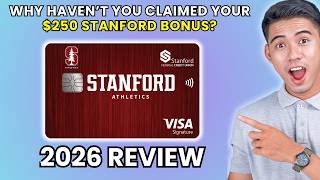
Stanford FCU Athletics Fan Rewards Card Review 2026 | Worth It or Leave It?
20 views
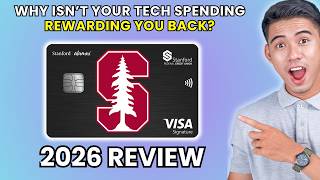
Stanford FCU Alumni Rewards Credit Card Review 2026 | Worth It or Leave It?
6 views
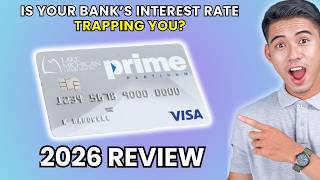
LMCU Prime Platinum Credit Card Review 2026 | Worth It or Leave It?
12 views

LMCU Max Rewards Credit Card Review 2026 | Worth It or Leave It?
12 views

Cabelas Club Business Card Review 2026 | Worth It or Leave It?
10 views

Cabelas Club Card Review 2026 | Worth It or Leave It?
46 views