
Upload in 4K Even If You Film in 1080p? My YouTube Test Results
I put YouTube’s video compression to the test by uploading the same clip six different ways—shooting in 1080p and 4K, exporting in both resolutions, and even upscaling 1080p to 4K before uploading. Using my iPhone 15 Pro Max to record playback on my TV in 4K, I zoomed in to reveal exactly how YouTube’s two main codecs, AVC1 and VP9, affect your video quality. Spoiler: YouTube treats 1080p and 4K uploads very differently, and the results might surprise you! If you’re a content creator wondering whether you should shoot and upload in 4K or stick to 1080p, this video will clear up the confusion. I break down how different export settings impact compression, image sharpness, and color accuracy. I also explain why upscaling your 1080p footage to 4K before uploading is a big no-no—it actually makes your video look worse and fake! Plus, we dig into how viewing devices like smartphones versus TVs change what your audience actually sees. ⚡️For Support inquiries, or Business inquiries, please go to ytubemoney123@gmail.com
🎬 More from CREATE with JAY
CapCut Editing Tutorial for Beginners: Audio, Video & Text
9 views
How to Split Left & Right Stereo Audio Channels in Capcut, Audacity & Davinci Resolve
39 views
Here's WHY it Take SO Long to RECORD & EDIT Microphone Comparison Videos!!! (What No One Tells You)
29 views
Shure MV7 Plus vs RØDE vs DJI Mics — Which One Actually Sounds Best?
67 views
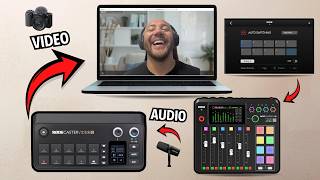
Connect the RodeCaster Video to a Rodecaster Pro 2 for Auto - Switching and Zoom Video Calls
249 views

CapCut Pricing Update April 2026: PC vs Mobile — Which Is Cheaper?
476 views