
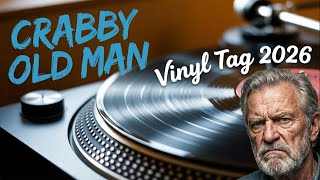
Eli Mercer is a crappy AI musician.
Eli Mercer and his songs were just created by Rick Beato to prove a point. And this video was made from the video and song that Rick "prompted" (not created). Below is the text of this video, which was created by AI also - a critique of the dangerous places AI will soon take us. This video and the elements were either created by AI and instantly entered the public domain - or the few changes I made - I also hereby enter into the public domain. This music video you’re watching? It’s 100% AI-generated. The artist, the visuals, the music, the lyrics, even the instruments—every single part was created by artificial intelligence. No human hands touched this. And here’s the kicker: it’s not copyrighted. This video, this song, it’s all in the public domain. That means it belongs to everyone. Nobody owns it, nobody stole it, and anyone can use it, share it, or remix it without asking permission. Why’s that? Let’s break it down. In the U.S., copyright law says a work needs a human creator to be protected. If it’s just AI, with no significant human input, it doesn’t qualify. A key case, Thaler v. Perlmutter (2023), made this clear. A guy named Stephen Thaler tried to copyright an image made by his AI system, DABUS. The U.S. Copyright Office said no, and the courts backed them up, ruling that only human-authored works can get copyright protection. The D.C. Circuit Court in 2025 doubled down, saying AI-generated stuff like this video is free for all to use. No human, no copyright. Simple as that. Another case, involving Kristina Kashtanova’s graphic novel Zarya of the Dawn (2023), showed the same thing. She used Midjourney to create images, but the Copyright Office wouldn’t let her copyright them because the AI did the heavy lifting. The text and arrangement? Sure, those got protection because she wrote them. But the AI visuals? Public domain. This video’s the same deal—AI made it, so it’s free for anyone to grab. Now, let’s get to the spicy part. Why would artists care about this? Because the music industry’s been screwing them over forever. Big producers and labels take artists’ work, slap their names on it, and rake in the cash while artists get pennies. AI music like this flips the script. Since it’s in the public domain, artists can snatch it, repost it, remix it, and republish it without owing anyone a dime. Why not stick it to the suits? They’ve been profiting off “owning” music for years, but this stuff? It’s not theirs. It’s not anyone’s. It’s ours.Artists can fight back by flooding the internet with this AI content. Repost it on TikTok, YouTube, wherever. Make new versions, add your own spin, and build your fanbase without some label breathing down your neck. The courts haven’t fully settled whether AI training on copyrighted stuff is fair use—cases like The New York Times v. OpenAI (ongoing as of 2025) are still hashing that out. But once it’s generated, like this video, it’s fair game. No one can claim it was “stolen” because nobody owns it.
🎬 More from Vinyl Rundown
New Jazz Vinyl Haul | Muse Records and 3 more
303 views
Introducing TinyVinyl - the newest, cutest vinyl format ever.
482 views
DEI in Classical Music with James Zimmermann - Are Orchestras Too Woke?
185 views
Self-Taught Guitar Legend - the Inside Story
3.8K views
Worst Vinyl Tag 2026 Video
334 views

Chaotic Record Haul for Dec 2025
476 views