
GI Embryology Explained: High-Yield Congenital GI Conditions
🛍️ Products Mentioned (1)
FULL version: Use the timestamps to find the topics This video explains high-yield GI embryology concepts step by step, focusing on the congenital GI conditions that are commonly tested in exams. 0:00 Foregut, midgut and hindgut? 2:34 Abdominal wall defects (gastroschisis, omphalocele, umbilical hernia) 6:51 Tracheoesophageal anomalies 9:55 Hypertrophic Pyloric Stenosis 12:02 Intestinal Atresia (duodenal, jejunal, ileal) 13:45 Pancreas and Spleen (annular pancreas, pancreas divisum) This video covers: - Abdominal wall defects (gastroschisis, omphalocele, umbilical hernia) - Tracheoesophageal anomalies (esophageal atresia & tracheoesophageal fistula) - Hypertrophic pyloric stenosis - Intestinal atresias (duodenal, jejunal, ileal) - Pancreatic embryology (annular pancreas, pancreas divisum) - Key embryologic mechanisms, anatomy, and classic exam associations The goal is to understand why these conditions happen, so you can recognise them quickly in exam questions and clinical scenarios. All the links: https://beacons.ai/theashleyzixuan 🌷Instagram : @TheAshleyZixuan 🐳Spotify: @AshleyZixuan This explanation is high-yield and exam-focused, suitable for: Medical school finals, USMLE Step 1, UK / EU medical exams 🌼Subscribe & Leave a comment below 📧 ashleyzxw@gmail.com #anatomy #highyieldmedicine #medicalschool
About This Video
Frequently Asked Questions
🎬 More from The Ashley Zixuan

How I Study Anatomy Without Anki
21.2K views

What's in My Bag as a Medical Student (Clinical Rotations Edition)
845 views
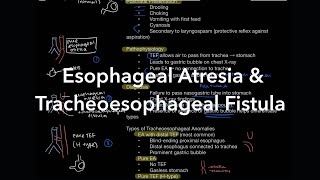
Tracheoesophageal Anomalies Explained: Esophageal Atresia & TEF (High-yield)
107 views
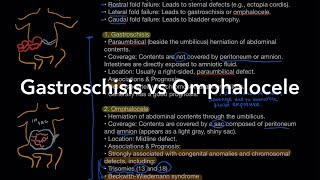
Abdominal Wall Defects Explained: Gastroschisis vs Omphalocele (High-yield)
220 views
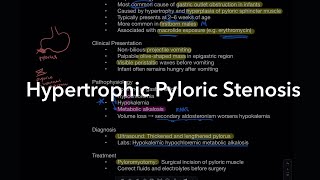
Hypertrophic Pyloric Stenosis Explained (High-yield)
78 views
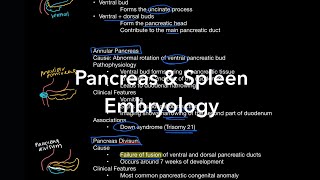
Pancreas & Spleen Embryology: Annular Pancreas & Divisum Explained
206 views