
How to Use Conditional Formatting in Google Sheets – Make Your Data Stand Out!
🛍️ Products Mentioned (1)
Buy on Amazon: https://amzn.to/3NlbVrd *Use the above affiliate links to check out the latest deals on tech products. If you make a purchase, you help support our channel through a small commission at no extra cost to you. Thanks so much! We can review your products on our channel. Contact us here for business partnerships: techtalkaccess@gmail.com 📊 Want to make your data more readable and visually appealing? In this video, we’ll show you how to use conditional formatting in Google Sheets to highlight important data, trends, and outliers. Whether you're tracking sales, expenses, or any other data, conditional formatting helps you automatically format cells based on specific conditions, making it easier to spot key information at a glance. 🔍 We’ll guide you step-by-step through the process of setting up conditional formatting, including how to create custom rules, color scales, and icon sets. By the end of the video, you’ll be able to use conditional formatting to improve your spreadsheets, increase efficiency, and make your data more interactive and visually attractive. 🎨 💥 What You’ll Learn in This Video: How to apply conditional formatting in Google Sheets 🖱️ Step-by-step guide for creating custom formatting rules 🛠️ How to use color scales to visualize your data 📊 Pro tips for advanced conditional formatting to improve readability and data analysis 👨💻 Practical examples to help you start using conditional formatting in your daily tasks 📈 👍 If you found this tutorial helpful, hit that like button 👍, subscribe 🔔 for more Google Sheets and tech tutorials, and leave a comment below with your thoughts or questions! Let’s talk about making spreadsheets work for you! 💬 🔧 Hashtags: #ConditionalFormatting, #GoogleSheets, #GoogleSheetsTutorial
About This Video
Frequently Asked Questions
🎬 More from Tech Talk

Best Wedding DJ Audio Mixer Sound Board! Zenolix Review
112 views
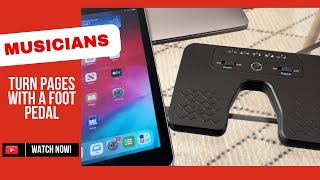
Why Every Musician Needs This Budget Pedal Tool (Better Than Paper!)
423 views

The Only Sound Machine You Need for Travel: Dreamegg Pocket Sleep
290 views
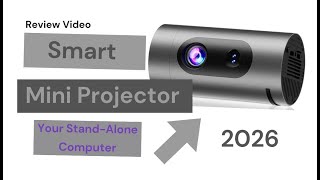
I Turned My Wall Into a Theatre Using This Budget Projector
337 views
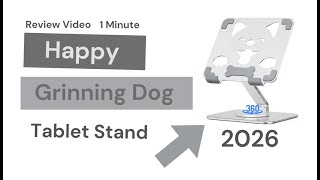
I Didn’t Think a Stand Could Rotate Like This Until I Tried It
103 views

This Wireless Mechanical Keyboard Changed My Setup
205 views