
Stop Struggling with Watercolor: Mastering Water Control for Beginners
In today's video, we’re going back to the very first tip I ever wrote in a special diary my daughter-in-law gave me 15 years ago. Many artists focus on expensive brushes and paper, but the most important ingredient in your studio is actually water. We’ll explore how water affects your tones—using my "ocean analogy"—and I’ll show you exactly how I keep my paper from cockling by wetting the back. Whether you're trying to avoid "cauliflowers" or trying to master "the bead," these 10 simple tips will make your painting process much more enjoyable. Key Moments in This Lesson: 00:00 – Welcome to the studio: The most important ingredient 00:28 – A story about a diary and my very first tip 01:36 – Understanding Tones: The Ocean Analogy 03:58 – How to keep your paper flat (Wetting the back) 09:18 – Working with Gravity: Painting a Sunset 16:21 – Timing & Wetness: The "Drop" Test 28:28 – What is "The Bead"? 38:35 – Creating Texture: Scraping & Splattering 47:22 – Thirsty Brushes, Soft Edges, and Salt My Patreon channel: patreon.com/joecartwright Why I wet the backk of my paper: https://youtu.be/f3SlN7jfxRw
🎬 More from Joe Cartwright
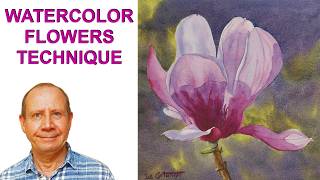
Watercolor Flower Secrets: Master Edges & Depth with Masking Fluid
3.5K views
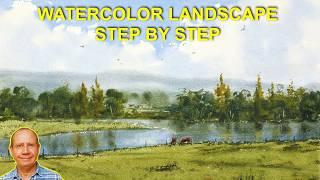
How to Paint a Simple Watercolor Landscape: Skies, Water & Trees
3.0K views
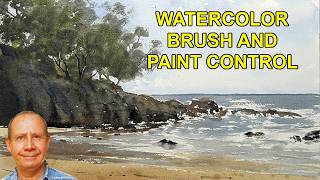
Simple watercolor Seascape Tutorial: Mastering the Dry Brush Technique
3.2K views
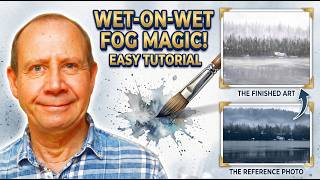
How I Paint Easy Misty Trees: Watercolor Wet on Wet for Beginners
1.8K views
Watercolor Figure Proportions Made Easy for Beginners
3.4K views
Watercolor Techniques: Simplifying Complex Scenes for Beginners
7.5K views