
How to Paint a Jacaranda Tree in Watercolor | Step-by-Step Tutorial
🛍️ Products Mentioned (2)
🎨 Learn how to paint a vibrant jacaranda tree in this full-length, step-by-step watercolor tutorial. Perfect for beginner and intermediate artists, this guide walks you through the entire process of creating a beautiful sunlit landscape from start to finish. What You'll Learn Discover professional tips and tricks for bringing your landscape to life. This tutorial focuses on: • Color Mixing: Learn to mix the perfect shades for your painting, including a bright cobalt blue for the sky, cool and warm greens for the grass and distant hills, and the iconic purples of the jacaranda. We'll create two distinct jacaranda tones: a warmer, pink-leaning purple for sunlit blossoms and a cooler, blue-leaning purple for shadows. • Creating Texture: The key to realistic foliage is texture. This video demonstrates how to use a sea sponge to create a natural, varied pattern for the jacaranda's flowers and surrounding greenery. • Composition and Light: Understand how to establish a light source and use it to guide your shadows and highlights, adding depth and realism to the scene. You'll learn how to paint shadows on the ground and within the tree's canopy. Key Techniques Covered • Sky Wash: Creating a smooth, graded wash for the sky. • Foliage Application: Using a sea sponge for a loose, impressionistic foliage effect. • Branch Details: Painting fine branches and trunks with a rigger brush, wet-into-wet. • Shadow Work: Mixing and applying a versatile shadow colour using French Ultramarine, Permanent Rose, and Burnt Sienna. • Foreground Details: Adding texture to the grass and ground using a fan brush and layering techniques. Whether you're looking to improve your watercolor skills or just love the beauty of jacaranda trees, this detailed tutorial provides all the steps you need to create a stunning piece of art. Grab your paints and follow along! 🖌️ My PATREON MEMBERSHIP PAGE: https://www.patreon.com/joecartwright - in addition to ad-free content you get exclusive content (new videos will be more in depth than those on my YouTube channel), hi-resolution reference photos, photos of my finished painting, and drawing outlines where available. Other benefits are also included. My teaching manual: Mastering Watercolors - A Practical Guide: https://amzn.to/3CgYQfB Why I wet the back of my watercolor paper: Here is a video I made which explains why I wet the back of the paper. https://youtu.be/f3SlN7jfxRw How to use a spray bottle: https://youtu.be/tpW38--afEA ⏱️TIMESTAMP⏱️ 00:00 Intro 00: 20 The drawing 00:45 The colors of the sky and grass 04:53 Painting the sky and the ground 18:14 Painting the distant hills 23:45 The middle distance and foreground bushes and trees 38:07 Painting Jacaranda tree 1:00:47 Painting the cow 1:07:04 Final adjustment to Jacaranda tree Materials used: Paper: Quarter sheet, 185 gsm Arches Cold Pressed watercolor paper (Approx. A3 size) Watercolor paints, all are Winsor and Newton: French Ultramarine Cobalt Blue Cobalt Turquoise Burnt Sienna Raw Umber Permanent Rose Aureolin or lemon yellow Brushes: Size 8 & 12 round watercolor brushes Mop brush for wetting the back of the paper Small hog hair fan brush. Bristles about thumbnail size Rigger brush Other material: Waterproof backing board, I use 6mm thick matt black acrylic, which I purchased off eBay, held at about 20 degrees
🎬 More from Joe Cartwright
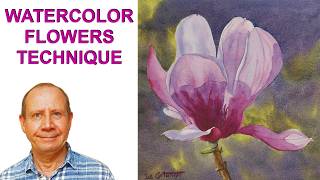
Watercolor Flower Secrets: Master Edges & Depth with Masking Fluid
3.5K views
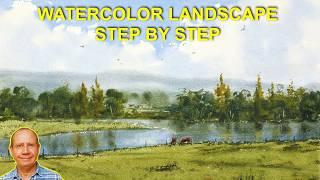
How to Paint a Simple Watercolor Landscape: Skies, Water & Trees
3.0K views
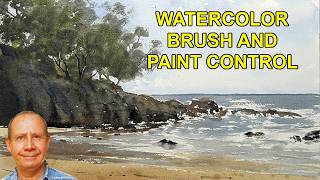
Simple watercolor Seascape Tutorial: Mastering the Dry Brush Technique
3.2K views
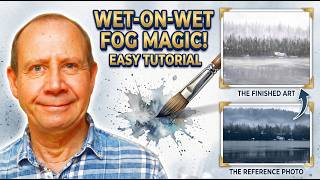
How I Paint Easy Misty Trees: Watercolor Wet on Wet for Beginners
1.8K views
Watercolor Figure Proportions Made Easy for Beginners
3.4K views
Watercolor Techniques: Simplifying Complex Scenes for Beginners
7.5K views