
The Holberg Lecture 2016: Stephen Greenblatt: "Shakespeare's Life-making"
A reflection on Shakespeare’s uncanny ability–the ability of the Humanities more generally–to confer life upon the objects of imaginative attention. Lecture by Holberg Laureate Stephen Greenblatt, John Cogan University Professor of the Humanities, Harvard University. Introduction by Professor Margareth Hagen, Dean of the Humanities, University of Bergen. The clown in Titus Andronicus, young Flute the bellows-mender (“I have a beard coming”) in A Midsummer Night’s Dream, the drunken Barnadine in Measure for Measure, Caliban in The Tempest, along with dozens of other characters, possess a presence, a compelling immediacy, far in excess of the strict necessity of the plots in which they appear. In some instances, Shakespeare’s plots almost collapse under the force of this vehement, insistent life. The greatest example is the villainous Shylock in The Merchant of Venice. And Shylock, Greenblatt will argue, offers us insight into the Humanities’ special contribution to the challenge of living together with those whom we may distrust and dislike.
🎬 More from Holberg Prize
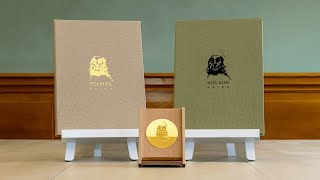
Award Ceremony for the 2026 Holberg Prize and Nils Klim Prize
354 views

The Holberg Masterclass with Lyndal Roper: ‘Bodies, Gender, Psyche, Movement’
409 views
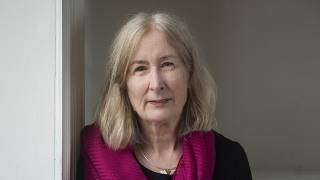
The 2026 Holberg Lecture: 'Who Owns Fertility? The Reformation’s Sexual Politics'
700 views
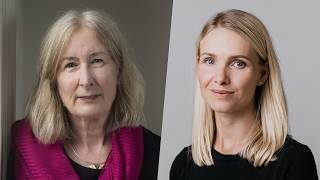
An Evening with the Holberg Prize, feat. Lyndal Roper and Majse Lind.
240 views
The Nils Klim Symposium: ‘Storying the Person in a Mental Health Crisis’
384 views

The Holberg Symposium: ‘Where is History Moving? New Directions in Writing the Past’
468 views