
Decoding the Fascinating World of Korean Male Beauty Standards
Join me as we delve into the captivating realm of Korean male beauty standards and its influence on Korean men and culture. From the obsession with flawless skin to the rise of plastic surgery, we'll explore the nuances of this fascinating phenomenon. Discover the impact of K-pop and other cultural factors on shaping these standards and how they are changing the face of Korean beauty. If you're curious about the world of beauty and culture, you don't want to miss this insightful discussion. #koreanbeautystandards, #plasticsurgery, #koreanplasticsurgery, #kpop, and #korean for more updates. Follow me on my socials for more exciting content! " Social Media Links: Instagram: https://www.instagram.com/brute.choi/ Tiktok: https://www.tiktok.com/@brutechoi
About This Video
Frequently Asked Questions
🎬 More from Brute Choi
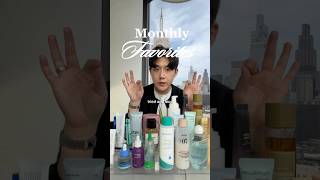
March Monthly Favorites 🌷🪺✨ #acneproneskin #monthlyfaves
10.2K views
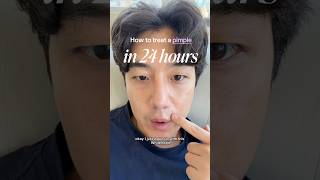
How to Treat a Pimple in 24 Hours 🫧⏱️⏳ #acneproneskin #pimples
18.1K views
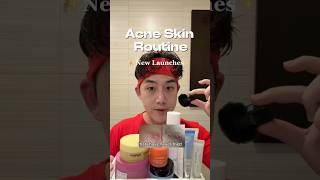
Acne Safe Skincare NEW launches edition! ✨🫧 #acneproneskin #skincarelaunches
7.1K views
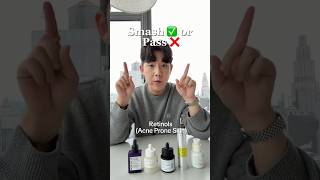
✅Smash or ❌Pass KBeauty Retinols #acneproneskin #retinoids
8.5K views
Fungal Acme Safe Skincare Routine 🩵✨🇰🇷🧴 #fungalacne #skincareroutine
10.9K views

The BEST Korean Pharmacy products 🏥🇰🇷 #acneproneskin #koreanpharmacy
6.7K views