
Blue Chinese Water Dragons|Why they are a BAD Thing!
🛍️ Products Mentioned (1)
Blue Chinese water dragons are frequently seen as "beautiful " or "rare" or in some cases a "sign of a healthy lizard". In this video I will be explaining and showing multiple examples of how water dragons exhibiting "blue" coloration are actually lacking carotenoids and thus lacking enough Vitamin A in their diets. These lizards are truly "hardy" and can survive a long time under improper care, merely "getting by" with what they can for nutrients. In this video you'll get to see an example of a "blue" water dragon that is deficient in carotenoids, while comparing to two healthy adults that are rich and green in color. If you'd like to see a full in-depth video regarding the science of carotene and retinoid metabolism, let me know in the comments! JOIN USARK! BECOME A MEMBER!: https://usark.org/memberships/ Have any questions? Send me an email by clicking "about" in the channel under "channel details". From there you can send an email!
About This Video
Frequently Asked Questions
🎬 More from Alex’s Agamids
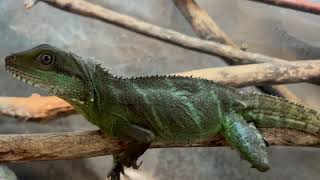
Chinese water dragon Eggs| Group C| Jan 3rd, 2026
79 views
I hatched LIZARDS in my CLOSET! | Group C, January 6th, 2026
104 views
I waited 5 YEARS to hatch these WATER DRAGONS!
238 views
Chinese water dragons Hatching! | Group C
89 views
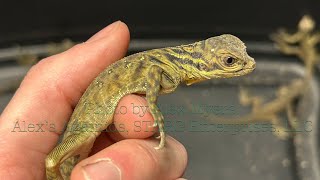
My LARGEST Clutch of Philippine Sailfin Dragons Just HATCHED!
201 views
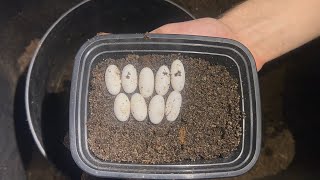
ANOTHER Chinese Water Dragon Clutch! | Group C
106 views