
Fed vs. Unfed Sourdough Starter – The Surprising Bread Showdown
🛍️ Products Mentioned (6)
Have you ever found yourself staring at your sourdough starter, wondering if you really need to feed it before baking? Or maybe you’ve been tempted to skip a step and just see what happens? Well, I put that curiosity to the test—and the results may surprise you. In my latest video, I baked two loaves of sourdough bread side by side: one made with a freshly fed, active starter, and the other made with an unfed (aka dormant or sluggish) starter pulled straight from the fridge. No pre-feeding, no coaxing—just straight into the dough. The Setup: To keep things fair, I used the exact same recipe, flour, salt, water, and fermentation times for both loaves. The only difference? One loaf had a lively, bubbly starter that had been fed a few hours earlier, and the other used a cold, unfed starter that hadn’t seen flour in over 24 hours. This experiment was not only fun—it was kind of eye-opening. Sometimes, baking “rules” are more flexible than we think. If you're a sourdough baker who’s ever forgotten to feed your starter, don't panic—you might still end up with a pretty great loaf. Let me know in the comments: have you ever baked with an unfed starter? My Sourdough recipe: 310g of water 100g of healthy strong fed or unfed starter 460g of bread flour 11-12g of salt 1. Throw everything into a stand mixer and mix on low until it's well combined. Move to an oiled vessel with a loose lid. 2. Set a timer for 30 minutes. At the end of 30 minutes perform stretch and folds. 3. Now repeat steps 2 for a total of 5 stretch and folds (or 2 1/2 hours total). 4. Place dough with loosely covered lid in a warm place with no drafts and bulk ferment until the dough has risen about 30%. For reference it takes about 5 hours at 80 degrees. 5. Sprinkle flour on the top of the dough and turn out onto a clean counter. 6. Stretch your dough in all directions then roll up like a cinnamon roll. Turn the roll 90 degrees and roll using the tuck and tug method. For bread shape: Seal your ends then pull dough towards you to tighten the top. For boule shape: do not seal ends, instead pull the dough towards you in a circular motion hiding each end as you create tension. 7. Allow dough balls to rest for 5-10 minutes. If they stay in the shape you've given them without flattening to a pancake, then you are ready to move on. If they flatten out too much, do another rough or two of shaping, following step 7 again. 8. Place seam side up in floured banneton and cover loosely. Place in refrigerator for 6-12 hours but up to 36. 9. Preheat your oven to 450F before you get your bread out of the refrigerator 10. Turn your cold dough out onto a piece of parchment and score. Place scored loaf into the bread pan of your choice, your Dutch oven, or right onto a preheated baking stone. 11. Mist your loaf with water and cover. Bake 30 minutes covered then remove the cover and bake another 20-30 minutes or until the desired color is achieved. 12. Cool on a baking rack before cutting. #sourdoughstarter #sourdoughbread #sourdoughrecipe #sourdough ****Links to my favorite things**** 🧂 Lynker Salt/Pepper Grinders (affiliate link): https://amzn.to/40PG6ej 🧤Oven gloves I use (affiliate link): https://amzn.to/3PesyCv 👕 My MERCH is here: http://tee.pub/lic/zCPUJ9t3EZk 🥣 Visit my website at http://www.AdventuresinEverydayCooking.com 💞My Patreon https://www.patreon.com/adventuresineverydaycooking 🔪My Pampered Chef website https://www.PamperedChef.com/pws/AECHeather/ 🖥️Find me on Facebook at https://www.facebook.com/AdventuresinEverydayCooking 🐤Follow me on Twitter at https://twitter.com/AECHeather 📸Follow me on Instagram at @AdventuresinEverydayCooking
🎬 More from Adventures in Everyday Cooking

Sloppy Joe Tater Tot Casserole | Easy Family Dinner Recipe
398 views
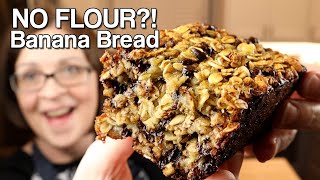
No Flour Banana Oatmeal Bread with Chocolate Chips!
356 views

10 Minute One-Pan Dinner - Egg Roll in a Bowl!
380 views

Ecoviva MATE3 Honest Review | RO Water Filtration for Home
729 views

Persimmon Cookies | Old-Fashioned Hachiya Persimmon Cookie Recipe
734 views

Fruit Cocktail Cookies | Old-Fashioned Vintage Cookie Recipe
304 views