
Creative Coordination- Finding Your Own Voice on the Drum Set
Here is a video about some things that helped me developed my voice in the jazz genre on the drum set. I talk about the combination of inspiration, hard work and many external influences that affected me deeply as I was growing up and learning the instrument. I talk about the artists who influenced me the most and show you some examples of how I work on creativity every day when I practice. Time Stamps 0:00 Opening Solo and Introduction 4:08 My Influences 18:33 The Value of Leaning the Traditional Grip 21:21 How to Practice Creativity 30:09 Closing Solo Equipment: Sonor Rosewood Phonic Drum Set from the late 1970's. Sizes are: 14" x 6.5 " Snare 14" x 18" BD 10 x 8, 12 x 8 and 14 x 14 toms Cymbals are Meinl 22" Symphonic Ride 18" Dream Crash 16" A Zildjian Crash 14" Paiste Traditional Hi Hats Sticks Rick Dior Signature in Maple Mics are two overhead AKG 414's and an AKG D112 on the bass drum.
About This Video
Frequently Asked Questions
🎬 More from rickdior
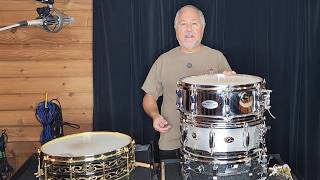
Three Affordable Snare Drums That Sound Great
1.2K views
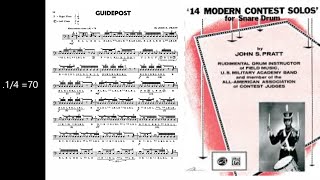
Guidepost by John Pratt -Rudimental Play Along with Rick Series
199 views
Solo #10 from Whaley Recital Solos for Snare Drum Advanced Intermediate Sightreading
162 views
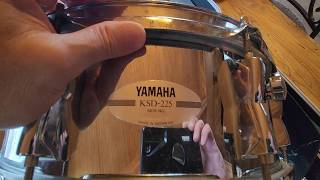
A Nice Yard Sale Find -The Yamaha KDS 225 Student Snare Drum
1.1K views
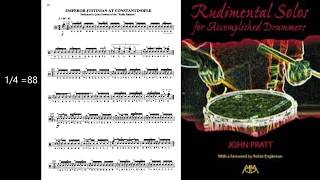
Emperor Justinian At Constantinople by John Pratt - Rudimental Play Along with Rick Series
348 views
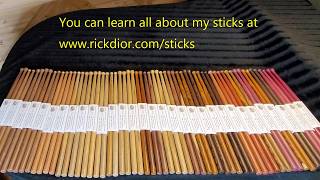
Dior Custom Drumsticks April May 2026
302 views