
YouTube AI Disclosure Rule Explained (When You DO and DON'T Need the Label)
Most AI YouTube creators are either labeling everything and hurting their reach, or skipping the label on content that genuinely requires it. This episode decodes YouTube's Altered or Synthetic Content policy with the exact exemption list, the voice-cloning legal rule after the ElevenLabs settlement, and the appeal path when a monetization application gets rejected. Watch the next video in the AI YouTube Channel Builder playlist to continue the series. ▶ Watch next: 1st 1000 YouTube Subscribers Using AI in 2026 (Realistic Beginner Plan) https://www.youtube.com/watch?v=zE0A0uGqb9I Chapters: 0:00 What the Disclosure Rule Actually Says 3:08 The Exemption List — What Does NOT Need a Label 6:16 What DOES Require Disclosure 8:49 Voice Cloning and the ElevenLabs Settlement 11:30 Monetization Rejections and the Appeal Window 14:35 Quiz Time #explained #learn #2026 --- Disclosure The avatars and voices in this video are AI-generated. All content -- research, scripts, lesson design, and the custom video engine -- is created by a CISSP, CISM, and PMP certified professional with a Master's in Project Management, a B.S. in Information Technology, and a Doctorate in Business Administration in progress. This channel exists to make learning accessible and straightforward. This channel is not affiliated with, endorsed by, or sponsored by YouTube, Google, OpenAI, Anthropic, ElevenLabs, HeyGen, Synthesia, or any other AI vendor or platform mentioned. All policy information is sourced from YouTube's public Help Center and Creator Blog and is current as of the production date — YouTube policies, monetization thresholds, AI disclosure rules, and tool features change frequently, so always verify against YouTube's official documentation before acting. Nothing in this channel is legal, tax, business, or financial advice — consult a qualified professional for decisions about contracts, taxes, copyright, or right-of-publicity issues.
🎬 More from Professor Erica
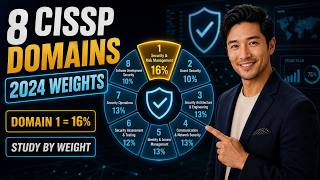
CISSP: All 8 Domains and 2024 Weights Explained
8 views
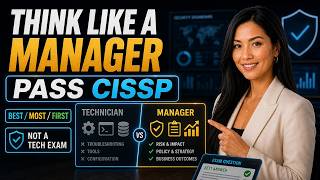
How to Study for the CISSP (Manager Mindset)
8 views
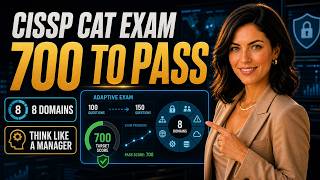
CISSP CAT Exam: 700 Score, 8 Domains, 1 Big Mindset Shift
8 views
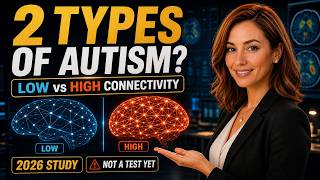
Scientists Found Two Biological Types of Autism (2026)
10 views

Your 2026 VA Disability Pay: What 2.8% Really Adds
15 views
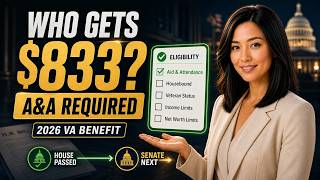
The $833 VA Benefit That Just Passed the House (2026)
16 views