
Stoics, Epicureans, and Skeptics: Three Ways to Survive When Your World Falls Apart
When Alexander the Great died in 323 BCE and his empire fractured, Greek philosophy stopped asking how to build the perfect city and started asking how to survive the chaos. Three schools gave three answers: Stoics said control your reactions, Epicureans said simplify your desires, Skeptics said suspend your beliefs. One of them is essentially identical to what therapists now call Cognitive Behavioral Therapy. Watch the next video in this series on Augustine's Confessions and how a Roman bishop invented the modern concept of the self. ▶ Watch next: Augustine's Confessions: How a Roman Bishop Invented the Modern Self https://www.youtube.com/watch?v=nSb7T1BDPTE Chapters: 0:00 The World Falls Apart: Why Philosophy Changed After Alexander 4:16 Stoicism: Control What You Can, Accept What You Cannot 9:42 The Roman Stoics: Seneca, Epictetus, and Marcus Aurelius 15:16 Epicureanism: Pleasure Is Not What You Think It Is 20:29 Skepticism: What Happens When You Suspend All Judgment 25:03 CBT Is Stoicism: The Therapy Therapy Does Not Name 29:42 The Balance Sheet: Three Schools, One Question, Twenty-Three Hundred Years 36:00 Quiz Time 37:51 Key Takeaways #explained #learn #2026 --- Disclosure The avatars and voices in this video are AI-generated. All content -- research, scripts, lesson design, and the custom video engine -- is created by a CISSP, CISM, and PMP certified professional with a Master's in Project Management, a B.S. in Information Technology, and a Doctorate in Business Administration in progress. This channel exists to make learning accessible and straightforward. Educational history-of-ideas series. This channel does not represent any university, religious tradition, or political viewpoint. The series presents what philosophers argued and how those arguments shaped both modern science and modern religion. Faith is personal, doubt is personal — this series presents the historical record of the arguments, not theology or atheism.
🎬 More from Professor Erica

CISSP: All 8 Domains and 2024 Weights Explained
8 views

How to Study for the CISSP (Manager Mindset)
8 views

CISSP CAT Exam: 700 Score, 8 Domains, 1 Big Mindset Shift
8 views
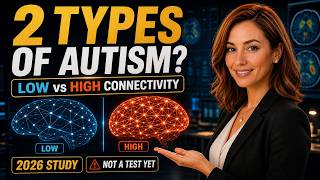
Scientists Found Two Biological Types of Autism (2026)
10 views

Your 2026 VA Disability Pay: What 2.8% Really Adds
15 views

The $833 VA Benefit That Just Passed the House (2026)
16 views