
RTX 5090 Mobile vs MacBook Pro M5 Max For Local AI
Local AI laptops in 2026 come down to RTX 5090 mobile speed versus MacBook Pro M5 Max memory. This breakdown compares Razer and Asus Windows workstations with Nvidia RTX 5090 mobile GPUs against Apple’s M5 Max unified memory architecture for offline LLM deployment. You’ll see why CUDA, PyTorch, GDDR7, VRAM limits, PCIe offloading, MLX, 4-bit quantization, 14B models, 32B models, and 70B reasoning engines matter. The core trade-off is clear: Nvidia wins smaller tethered inference speed, while Apple wins massive local model capacity, battery life, quiet operation, and privacy-focused edge AI workflows. TimeStamps: 0:00 Why Developers Are Moving Local AI Offline 0:20 RTX 5090 Mobile vs MacBook Pro M5 Max 0:59 Nvidia Discrete GPU vs Apple Unified Memory 1:30 VRAM Bandwidth And 128GB Unified Memory 1:55 4-Bit Quantization And Model Size Limits 2:27 The RTX 5090 VRAM Cliff For 32B Models 2:48 How M5 Max Handles 32B And 70B Models 3:26 Battery, Power Draw, Throttling, And Fan Noise 5:01 CUDA, PyTorch, And Apple MLX Software Support 5:56 Which Local AI Laptop Fits Your Workflow 💻 Nvidia RTX 5090 mobile vs Apple M5 Max 🧠 Offline LLM deployment and edge AI ⚡ CUDA, PyTorch, and MLX workflows 📦 24GB VRAM vs 128GB unified memory 🔢 14B, 32B, and 70B model viability 🔋 Battery life, throttling, and fan noise 🔐 Local AI for privacy and API cost control 🧩 Razer, Asus, and MacBook Pro workstation choices Local AI productivity improves when hardware matches model size, power constraints, and software stack. Choose RTX 5090 mobile laptops for fast CUDA testing and smaller coding agents. Choose MacBook Pro M5 Max for large reasoning models, private inference, and quiet mobile work. Real leverage starts by matching silicon to workload. #LocalAI #RTX5090 #MacBookPro
🎬 More from Alex Hitt, The Great Discovery
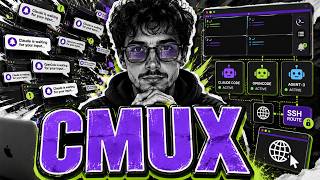
CMUX GitHub Explained: Multi-Agent AI Orchestration for Developers
3 views

Kronos GitHub Walkthrough for Quantitative Trading AI
34 views
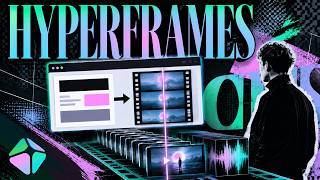
Hyperframes Animation Agent Ai Tutorial: HeyGen Video Editing Cli Examples and Docs
46 views
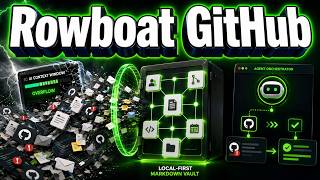
Rowboat Labs GitHub Explained: Local-First Multi-Agent AI Workflows
29 views
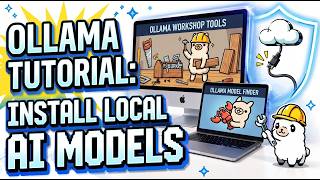
Ollama Tutorial: Install Local AI Models, APIs, Docker, And Llama 3.2
60 views
Dify Tutorial For Enterprise: Dify Docker Sandboxes For Secure AI Workflows
54 views