
Obsidian AI Plugins vs Headless Agents: The Architecture Problem
Serious Obsidian users often install AI plugins without understanding the architectural risks they introduce. This video examines the hidden problems inside many Obsidian AI plugins, including Electron UI wrappers, embedded local models, and SQLite-based vector databases that break vault synchronization. You’ll see why headless AI agents, external vector databases like PGVector on Postgres, and Model Context Protocol (MCP) architectures provide a safer and more scalable approach. The discussion also explains why deterministic algorithms outperform probabilistic language models for vault organization and graph analysis. If you run external agents like Claude Code or terminal-based AI systems, this analysis shows how to design a stable, sync-safe Obsidian knowledge infrastructure. Timestamps: 0:00 Obsidian vault as a production data layer 0:22 The plugin paradox in the Obsidian ecosystem 0:45 Consumer AI wrappers vs external AI agents 1:10 Electron UI wrappers and fragmented workflow context 1:44 Why Smart Connections separated its chat interface 1:59 Internal vector database corruption risk 2:34 External vector databases with PGVector and Postgres 2:59 LLM-generated YAML metadata risks 3:33 Deterministic graph analysis and Jaccard similarity 4:11 Model Context Protocol and headless AI architecture 5:00 Deployment rules for a secure Obsidian system A stable AI knowledge system depends on architecture, not novelty. Headless AI agents, Model Context Protocol connections, external vector databases like PGVector, and deterministic graph analysis protect vault integrity. When Obsidian becomes a production knowledge environment, sync-safe design, deterministic tooling, and disciplined AI integration create a scalable foundation for long-term research systems. #ObsidianPKM #AIArchitecture #KnowledgeSystems
🎬 More from Alex Hitt, The Great Discovery
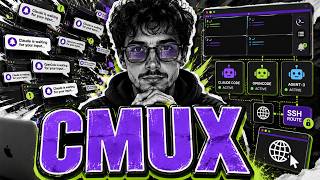
CMUX GitHub Explained: Multi-Agent AI Orchestration for Developers
3 views

Kronos GitHub Walkthrough for Quantitative Trading AI
34 views
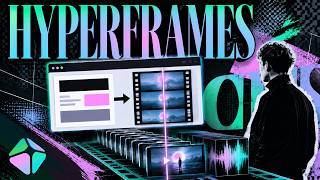
Hyperframes Animation Agent Ai Tutorial: HeyGen Video Editing Cli Examples and Docs
46 views
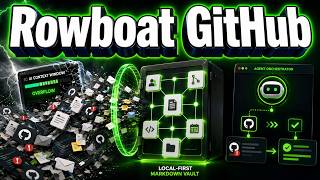
Rowboat Labs GitHub Explained: Local-First Multi-Agent AI Workflows
29 views
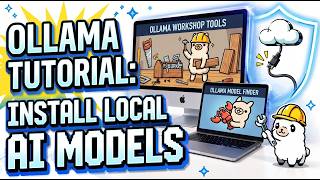
Ollama Tutorial: Install Local AI Models, APIs, Docker, And Llama 3.2
60 views
Dify Tutorial For Enterprise: Dify Docker Sandboxes For Secure AI Workflows
54 views