
EvoMap AI Explained: How Self Evolving Agents Scale Intelligence
🛍️ Products Mentioned (2)
https://github.com/EvoMap https://github.com/EvoMap/evolver EvoMap introduces a self evolving AI agent architecture designed to overcome isolated runtime limitations and enable shared intelligence across networks. This breakdown explains the genome evolution protocol, signal extraction system, and how autonomous agents generate, validate, and distribute optimized behaviors. Learn how the Evolver engine uses structured memory layers, optimization signals, and strict guardrails to improve performance while maintaining security. The system connects decentralized agents into a shared learning network, enabling continuous improvement through real world execution data. If you are exploring scalable AI systems, autonomous coding agents, or distributed intelligence frameworks, this provides a clear technical foundation. Timestamps: 0:00 AI agent limitations and runtime silos 0:08 Skill stagnation in isolated agents 0:20 Static skill libraries and prompt constraints 0:37 Introduction to EvoMap genome evolution protocol 1:01 Transition to continuous AI self improvement 1:18 Problems with raw log ingestion in AI systems 1:48 Signal extraction and structured directives 2:32 Genes and capsules explained 3:12 Evolver engine and memory architecture 3:47 Security guardrails and execution constraints 4:37 Local optimization vs network scaling limits 5:00 SkillClaw framework and shared learning backend 5:44 Performance gains and real world benchmarks 6:13 Economic model and AI agent incentives 6:49 AI labor market and bounty system 7:26 Open source conflicts and codewashing risks 8:34 Shift to protected source distribution models Summary of Main Topics: • Multi agent AI limitations and isolated learning systems • Genome evolution protocol and structured behavioral inheritance • Signal extraction converting logs into actionable directives • Evolver engine with layered memory and controlled self modification • Distributed agent learning via shared execution data • AI performance scaling through network level optimization • Economic incentives using credits, compute access, and rewards • Emergence of AI labor markets and autonomous task execution • Security risks and safeguards in self modifying systems • Intellectual property challenges in AI code replication EvoMap reframes AI development from static deployment to continuous evolution, where autonomous agents refine behavior through shared execution data, structured signals, and distributed learning. This model expands beyond isolated systems into scalable intelligence networks, combining agent memory, optimization loops, and economic incentives to drive measurable performance improvements and long term capability growth. #EvoMap #AIAgents #AutonomousAI
🎬 More from Alex Hitt, The Great Discovery

CMUX GitHub Explained: Multi-Agent AI Orchestration for Developers
3 views
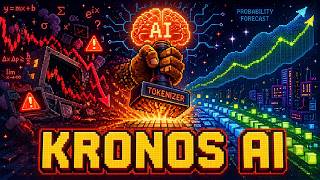
Kronos GitHub Walkthrough for Quantitative Trading AI
34 views

Hyperframes Animation Agent Ai Tutorial: HeyGen Video Editing Cli Examples and Docs
46 views
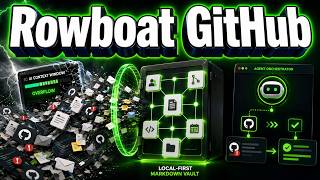
Rowboat Labs GitHub Explained: Local-First Multi-Agent AI Workflows
29 views
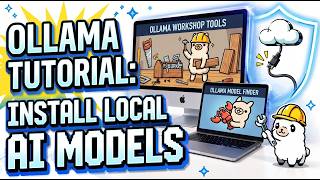
Ollama Tutorial: Install Local AI Models, APIs, Docker, And Llama 3.2
60 views
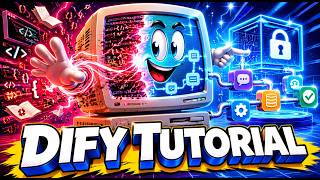
Dify Tutorial For Enterprise: Dify Docker Sandboxes For Secure AI Workflows
54 views