
10 tips for Sewing Knits: For beginners and beyond
🛍️ Products Mentioned (7)
my sewing books and patterns
My book Master the Coverstitch Machine
my book Sewing Activewear
My blog

my favourite sewing tools
Thelaststitch Product
Get better at sewing knits! 10 tips on how to sew with stretchy fabrics on a sewing machine or serger. More of my videos on how to sew knits https://www.youtube.com/playlist?list=PLYLu6Y2YN78WjN0L4sdSYvEInT-YXM_Au Tip 1 Use a ballpoint needle Use a good quality ballpoint needle to avoid holes and skipped stitches. For sewing machines, common stretch needle sizes are 75, 80 and 90. If you are sewing over thicker layers and are experiencing some problems, try switching to a larger ballpoint needle. Tip 2 Use a stretch stitch On a sewing machine, use stretch seam that overcasts the edges. Those are often labeled stretch seams or overlock seams. You can also use a narrow zigzag stitch, which is sometimes also called a lightning bolt stitch On a serger use the 3-thread overlock seam, both the narrow and the wide version are excellent choices Tip 3 Stretch matters Not all knits are created equal. Always check what amount of stretch that the patternn recommends. If your fabric has less stretch you might need to add more ease to the garment Use a smaller seam allowance Most stretch stitches will be around 6mm 1quarter inch wide. Using a similar seam allowance size will make sewing easier Stabilise the shoulder seam You need to stabilise the shoulder seam to keep it from growing. Use clear elastic on the back shoulder seam. Either attach it separately with a zigzag stitch or sew the elastic and shoulder seam in one go. Tip 3 Use wonder tape Stabilise the hem with water soluble wonder tape. The tape is sticky on both sides and will prevent the fabric from stretching out when stitched Use an awl to feed the fabric Feed the upper layer of the fabric using a sharp object like an awl or a large needle. Push the fabric towards the presser foot while sewing, this will mimic the differential feed on the serger and coverstitch machine. Use a Twin needle The twin needle sews two rows of straight stitches on top and a zigzag underneath. To perfect this stitch your will have experiment with the needle tension and stitch length and you might even have to adjust the bobbin tension as well to prevent the tunneling effect that can be an issue with double needle stitches Factor in shrinkage Natural fiber such as cotton and wool knot can shrink quite a bit lengthwise and might continue doing do for several washes. So either prewash or wash just a sample and then add more length to the garments to compensate for the shrinkage Experiment and have fun Not everything will go according to plan, but it's all part of the sewing learning journey. Just keep experimenting and you'll be rewarded with some fabulous garments! ✂️ Shop my sewing books and patterns https://shop.thelaststitch.com/ 📘 Order my latest book Master the Coverstitch Machine https://www.thelaststitch.com/master-the-coverstitch-book/ 🏃♀️ Get my book Sewing Activewear http://www.thelaststitch.com/sewingactivewear ✂️ Shop my favourite sewing tools https://www.amazon.com/shop/thelaststitch Sign up to get a quick guide to the best sewing machine stretch seams http://www.thelaststitch.com/knit-sewing-machine-stitches/ ✂️Find me on the Internet✂️ My blog: http://www.thelaststitch.com Instagram: https://instagram.com/laststitch Facebook: https://www.facebook.com/laststitchsew/ Pinterest: https://www.pinterest.se/thelaststitchsew/ Amazon Disclosure: As an Amazon Associate I earn from qualifying purchases that are disclosed as Amazon affiliate links.
🎬 More from The Last Stitch
8 Sewing Mistakes & How To Fix Them!
5.8K views
Sew Jeans Faster: 6 Speedy Hacks 👖
4.6K views
After 40 Years of Sewing: Here's What I Actually Know!
4.9K views

Level Up Your Sewing Game With These Household Items!
8.2K views
Sewing Jeans: The Ultimate Beginner's Guide
52.0K views
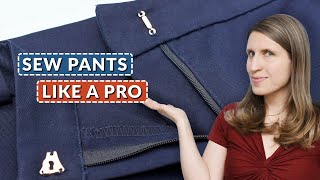
7 Awesome Pants Sewing Tips: Level Up Your Skills
9.5K views