
Is TRT - Testosterone Replacement Therapy - Right For You? What Doctors Want You To Know
🛍️ Products Mentioned (4)
📩 Contact us: [talkingwithdocs@gmail.com] Testosterone is one of the most talked-about hormones in men’s health, but there is also a lot of confusion around low testosterone, testosterone replacement therapy, and whether TRT is safe. In this episode of Talking With Docs, Dr. Brad Weening and Dr. Paul Zalzal are joined by endocrinologist Dr. Ihab Kandil to discuss what testosterone does in the body, how low testosterone is diagnosed, and what patients should know before considering testosterone replacement therapy. The doctors break down the hormone pathway from the brain to the testicles, including the role of the hypothalamus, pituitary gland, GnRH, LH, FSH, and testosterone production. They also explain the symptoms of low testosterone, the difference between non-specific symptoms and more specific signs, and why proper bloodwork timing matters. Importantly, they discuss how testosterone should be tested, why results should be checked fasting between 7 AM and 10 AM, and why low testosterone usually needs to be confirmed on repeat testing before diagnosing hypogonadism. They also explore lifestyle factors that can affect testosterone levels, including weight, sleep, stress, exercise, and obesity-related low testosterone. The conversation covers when lifestyle changes may help, when TRT may be considered, and why testosterone should only be used under proper medical supervision. The doctors also review the common forms of TRT, including transdermal testosterone gel and injectable testosterone, as well as the risks of unregulated testosterone products bought online or outside the medical system. You’ll learn: • What testosterone is and why it matters • Common symptoms of low testosterone • What libido means and why it can be affected • What hypogonadism means • How the hypothalamus, pituitary gland, and testicles communicate • The role of GnRH, LH, and FSH • What bloodwork is used to screen for low testosterone • Why testosterone should be tested fasting between 7 AM and 10 AM • Why testing usually needs to be repeated before diagnosis • How obesity and belly fat can affect testosterone levels • Whether lifestyle changes can improve testosterone naturally • The difference between transdermal and injectable testosterone • Why oral testosterone is less commonly used • Why buying testosterone online or from unregulated sources can be risky • What the TRAVERSE trial showed about TRT and cardiovascular safety • Possible TRT risks, including blood clots, pulmonary embolism, atrial fibrillation, prostate enlargement symptoms, and PSA monitoring • Why testosterone therapy is not always the answer for fatigue or low mood • What men should discuss with their healthcare provider before starting TRT If you are concerned about low testosterone, thinking about TRT, or simply want to better understand the science behind testosterone therapy, this episode provides a balanced, evidence-based discussion with an endocrinologist. 🎧 Listen on Your Favourite Platforms: Spotify: https://open.spotify.com/show/3OFxEjictC41CCS1z2AVKe Apple Podcast: https://podcasts.apple.com/ca/podcast/talking-with-docs/id1799242189 YouTube Music: • TWD Podcast 👕 Shop Our MERCH: https://www.spreadshirt.ca/shop/user/talking+with+docs/ ❤️ Support Oakville Hospital: https://donate.oakvillehospitalfoundation.com 📱 Follow Us: TikTok: https://www.tiktok.com/@talkingwithdocs Instagram: https://www.instagram.com/talkingwithdocs/?hl=en Facebook: https://www.facebook.com/profile.php?id=100063617375848 🛑 DISCLAIMER: This content is for educational purposes only and is not a substitute for professional medical advice. Testosterone replacement therapy should only be considered after proper medical evaluation, bloodwork, and discussion with a qualified healthcare provider. Do not start, stop, or change any hormone therapy or medication without speaking with your healthcare provider. Full disclaimer at talkingwithdocs.com. #testosterone #TRT #lowtestosterone #menshealth #hormones #hypogonadism #testosteronereplacementtherapy #endocrinology #libido #bloodwork #prostatehealth #hearthealth #healthresearch #healthyaging #talkingwithdocs
🎬 More from Talking With Docs
Glucosamine Linked To Alzheimer's Progression?
67.5K views
Top 10 Inflammation Triggers And How To Reduce Them
116.6K views
Facelift Surgery. What Is Involved? Dr Julie Khanna Plastic Surgeon Explains
11.2K views
5 Questions Patients Are Afraid To Ask Surgeons | 10 Year Anniversary Special
13.8K views
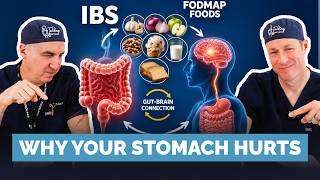
Irritable Bowel Syndrome and FODMAPs. How To Help Your Symptoms
17.1K views

Does Keto Diet Cause High Cholesterol?
19.8K views