
1579: Kabbalistic Biology and the Hidden Dimensions of Life with Dr.Michael Kosoy
🛍️ Products Mentioned (2)
From zoonotic infectious diseases to Kabbalistic metaphysics, Dr. Michael Kosoy argues that modern biology is missing something critical: the invisible dimensions of life that our instruments can’t measure, but that still shape health, disease, and ecosystems. A retired but still-active CDC infectious disease researcher with over 200 scientific publications, Dr. Kosoy joins us to unpack his book “The 10 Dimensions of Kabbalistic Biology (Abridged Edition)” and explain why more data doesn’t always mean more knowledge—sometimes, it actually increases uncertainty. We explore how his decades at the Centers for Disease Control and Prevention, his work on zoonotic diseases, and his long-term study of Kabbalah came together into a new framework he calls Kabbalistic biology. Dr. Kosoy explains why traditional, dualistic thinking in science breaks down when we confront real-world complexity (like the pandemic), how invisible structures, hierarchies, and “unknowns” still follow patterns, and why we need better tools for orienting ourselves in a fast-changing, paradox-filled world. If you’re curious about holistic science, invisible biology, microbiomes, pandemics, and the intersection of spirituality and rigorous research, this conversation offers a practical—and surprisingly grounded—toolbox for thinking differently about life itself. Timestamps: 00:00 – Setting the stage: introducing Dr. Michael Kosoy and “The 10 Dimensions of Kabbalistic Biology”: 00:58 – 25 years at the CDC and the limits of traditional infectious disease science: 02:29 – Critical thinking, conspiracy theories, and staying open without becoming gullible: 03:14 – Dualistic thinking, entropy, and why more data can mean more uncertainty: 05:03 – From curiosity to a book: seeking tools for “invisible data” and discovering Kabbalah: 07:08 – Life as a dynamic, almost impossible system—and why our methods can’t keep up: 07:58 – The paradox of life: rare in the universe, yet hard to eradicate on Earth: 08:22 – What is life, really? Why most biologists never ask the question: 10:06 – Introducing Kabbalistic biology as a “navigation system” between extremes: 10:52 – Anchors and dimensions: Flatland, string theory, and the need to go beyond 3D: 12:14 – The first dimension: from segmentation to unification (choosing the right “size” of analysis): 14:28 – Who the book is for: curious minds in a time of massive transformation: 14:57 – Microbiomes, paradox, and the invisible biological work inside and around us: 16:56 – Gratitude for being alive now: modern tools and the unveiling of hidden worlds: 18:24 – From miracle to method: why Kabbalistic biology is a toolbox, not just wonder: 19:10 – Framing Dr. Kosoy’s legacy: publications, ecosystems, and the Amazon book link: 19:52 – Where to find Dr. Kosoy: publisher website and contact info: 20:05 – Information vs. knowledge, unseen biology, and pathways of knowing: 21:03 – Lessons from the field: travel, unpredictability, and expanding the mind: 21:29 – Travel, discomfort, and the growth that comes from being “a fish out of water”: 22:21 – Closing gratitude and call to explore the 10 dimensions: Quotes: “The more data and more information we collect, the more uncertainty we create.” “Instead of useless debates between reductionists and holists, I propose a system for orientation between those two extremes.” “First dimension is what I call segmentation to unification—it’s your choice as an investigator to select how complex you want to see the system.” Contact Details: Facebook URL: https://www.facebook.com/drmichaelkosoy/ Amazon: https: https://a.co/d/0c7UHdLf Official Website: https://www.kabbalahbiology.com/
🎬 More from Robert Plank Marketer of the Day
1583: AI Storytelling and Multiple Income Streams with Audrey Bell-Kearney
18 views
How to Start a Podcast With Simple Affordable Equipment
34 views

1582: ADHD, Dyslexia, Autism, and School Support Strategies with Tracey Tozier
18 views
1517: Escape the Tool Trap: Improve Compliance and Grow with Better Processes with Santiago Cortés
20 views
1581: Type 1 Diabetes, Cancer, and Resilience with Paula Aldis
12 views
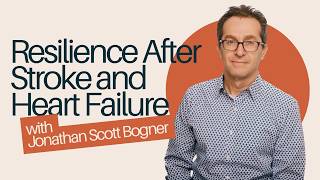
1580: Resilience After Stroke and Heart Failure with Jonathan Scott Bogner
35 views