
Exiting Academia (Ep. 45) - PhD in Developmental Psychology to Human Factors Engineer
🛍️ Products Mentioned (2)
JOIN OUR PATREON: https://www.patreon.com/publicationacademy SCHEDULE A COACHING SESSION: https://www.jayphoenixsingh.com SCHEDULE A SPEAKING ENGAGEMENT: drphoenixsingh@gmail.com FOLLOW US ON SOCIAL MEDIA: @DrPhoenixSingh Facebook: https://www.facebook.com/drphoenixsingh Twitter: https://twitter.com/drphoenixsingh Instagram: https://www.instagram.com/drphoenixsingh Snapchat: @DrPhoenixSingh #NavigatingAcademia ABOUT THE CHANNEL Navigating Academia is your leading source for professional guidance on how to advance your career in academia. Hosted by internationally-renowned Cambridge and UPenn faculty member, Dr. Jay Phoenix Singh, this series provides practical advice for tackling the field’s biggest challenges. ABOUT DR. SINGH Jay Phoenix Singh, PhD, PhD is a Fulbright Scholar, faculty at both UPenn as well as Cambridge, and the internationally award-winning Founder of the Global Institute of Forensic Research (successful 2017 exit as CEO). Author of over 75 peer-reviewed articles and books, he completed his graduate doctoral studies in psychiatry at the University of Oxford and clinical psychology at Universitat Konstanz. He was named the youngest tenured Full Professor in Norway in 2014 and, since this time, has become the only psychology professor to have lectured for all eight Ivy League universities (Harvard, Yale, Princeton, Columbia, Cornell, Brown, Dartmouth, UPenn) as well as both Oxford and Cambridge. Dr. Singh is a charismatic academic mentor and coach who uses evidence-based practices to improve the lives of academics of all levels.
About This Video
Frequently Asked Questions
🎬 More from Navigating Academia
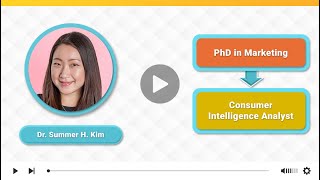
Exiting Academia (Ep. 50) - PhD in Marketing to Consumer Intelligence Analyst
29 views
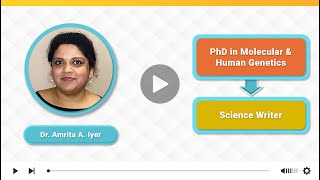
Exiting Academia (Ep. 49) - PhD in Molecular & Human Genetics to Science Writer
20 views
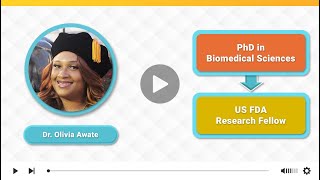
Exiting Academia (Ep. 48) - PhD in Biomedical Sciences to US FDA Research Fellow
27 views
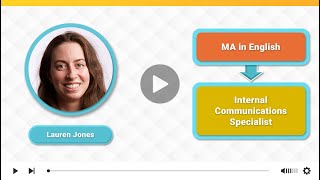
Exiting Academia (Ep. 47) - MA in English to Internal Communications Specialist
17 views
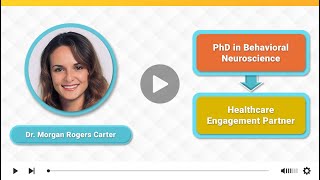
Exiting Academia (Ep. 46) - PhD in Behavioral Neuroscience to Healthcare Engagement Partner
29 views
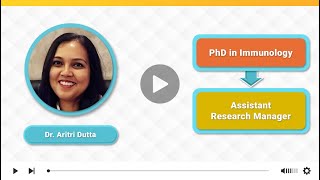
Exiting Academia (Ep. 44) - PhD in Immunology to Assistant Research Manager
19 views