
Stevens-Johnson Syndrome: Causes, Diagnosis, Differentials, Symptoms and Treatment
Stevens-Johnson Syndrome (SJS) is a rare but serious type IV hypersensitivity reaction (subtype C) that affects the skin and mucous membranes. In this video, we break down the essential clinical features, pathophysiology, and histopathologic findings associated with SJS. Ideal for medical and nursing students, this lecture simplifies the condition for easier understanding and exam preparation. ✅ Key Topics Covered: What is Stevens-Johnson Syndrome? Prodromal symptoms: productive cough, headache, malaise, and arthralgia Skin and mucosal involvement Histopathologic features: full-thickness epidermal necrosis with minimal dermal infiltrate General approach to symptomatic management High-yield facts for USMLE and NCLEX exams ⚠️ SJS is a medical emergency that requires early recognition and supportive care.
🎬 More from Medcrine
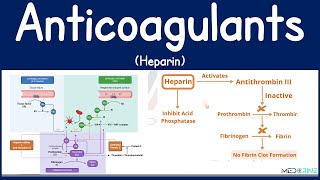
Anticoagulants: Heparin Mechanisms, Clinical Use, and Monitoring and Clinical Insights
1.2K views
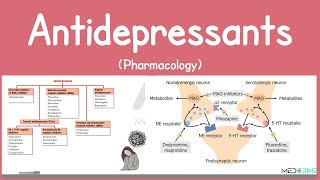
Antidepressants Pharmacology | SSRIs, SNRIs, TCAs, MAOIs, Atypical Antidepressants Simplified
1.0K views
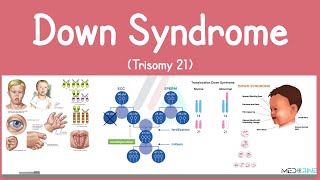
Down syndrome (Trisomy 21) - causes, symptoms, diagnosis, & pathology
376 views
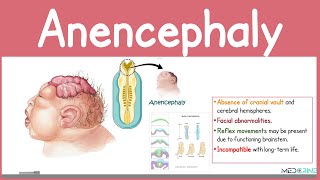
Anencephaly Explained | Neural Tube Defect | Medical and Nursing High-yield Tutorial
1.2K views
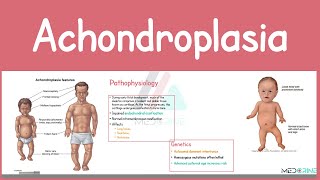
Achondroplasia | Causes, Pathophysiology, Symptoms, Diagnosis, and Management Simplified
959 views
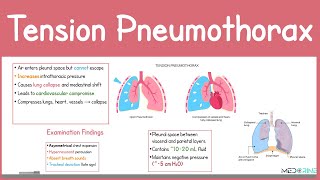
Tension Pneumothorax: Pathophysiology, Clinical signs & Symptoms, Diagnosis and treatment Explained
580 views