
Physiology of the Blood and Blood Cells Simplified
🛍️ Products Mentioned (1)
Blood is composed of formed elements (cells and cell fragments) which are suspended in the liquid fraction known as plasma. Blood has three general functions: Transportation: e.g., oxygen, carbon dioxide, nutrients, wastes, and hormones; Regulation: e.g., pH, temperature, and osmotic pressures; and Protection: e.g., against foreign molecules and diseases, as well as for clotting to prevent excessive loss of blood. Dissolved within the plasma are many proteins, nutrients, metabolic waste products, and various other molecules being transported between the various organ systems within the body. The elements in blood are formed from common bone marrow stem cells and include: red blood cells (erythrocytes), white blood cells (leukocytes) and cell fragments known as platelets. In a healthy individual, red blood cells (RBCs) make up ~99% of cells which plays a primary role in O2 and CO2 exchange. Hemoglobin, the iron-containing heme protein which binds oxygen, is concentrated within these cells; hemoglobin allows blood to transport 40 to 50 times the amount of oxygen that plasma alone could carry. White cells are required for immune processes; i.e., to protect against infections and also cancers. The platelets play a primary role in blood clotting. In a healthy cardiovascular system, the constant movement of blood helps keep these cells well dispersed throughout the plasma of the larger diameter vessels. The total volume of blood in an average sized individual (70 kg) is approximately 5.5 liters. Join this our membership section to get access to perks: https://www.youtube.com/channel/UCb1LglhAi_YGQnazlqeWRsQ/join SUBSCRIBE, LIKE and SHARE Check our website for more medical lecture notes at https://medcrine.com Follow us on twitter @medcrine Facebook at www.fb.me/medcrine Pinterest at pinterest.com/medcrine Telegram at t.me/medcrine email us on info@medcrine.com
🎬 More from Medcrine
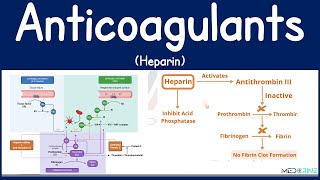
Anticoagulants: Heparin Mechanisms, Clinical Use, and Monitoring and Clinical Insights
1.2K views
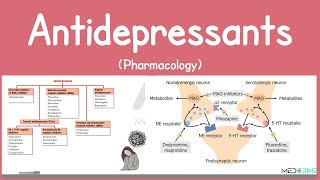
Antidepressants Pharmacology | SSRIs, SNRIs, TCAs, MAOIs, Atypical Antidepressants Simplified
1.0K views
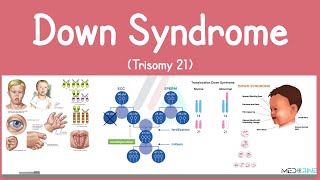
Down syndrome (Trisomy 21) - causes, symptoms, diagnosis, & pathology
376 views
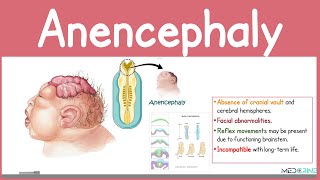
Anencephaly Explained | Neural Tube Defect | Medical and Nursing High-yield Tutorial
1.2K views
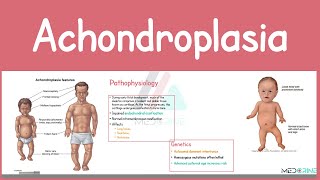
Achondroplasia | Causes, Pathophysiology, Symptoms, Diagnosis, and Management Simplified
959 views
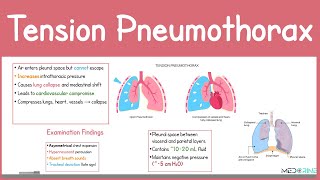
Tension Pneumothorax: Pathophysiology, Clinical signs & Symptoms, Diagnosis and treatment Explained
580 views