
Phosphodiesterase 5 inhibitors Use in Erectile dysfunction Pharmacology
🛍️ Products Mentioned (1)
Phosphodiesterase inhibitors are a class of medications that promote blood vessel dilation (vasodilation) and smooth muscle relaxation in certain parts of the body, such as the heart, lungs, and genitals. Phosphodiesterases are a diverse family of enzymes that play a key role in regulating cell functions by indirectly increasing the intracellular levels of cyclic adenosine monophosphate (cAMP) and cyclic guanosine monophosphate (cGMP), both of which are “second messengers” that regulate the primary effects of hormones and neurotransmitters. Phosphodiesterase inhibitors work by inhibiting the phosphodiesterase enzymes, thus preventing them from breaking down cAMP and cGMP molecules in the cell. The production of cAMP and cGMP are regulated by a molecule called nitric oxide, and their function is to help regulate physiological processes by decreasing the levels of calcium in the cell. Ultimately, cAMP and cGMP are broken down by phosphodiesterase enzymes. Join this our membership section to get access to perks: https://www.youtube.com/channel/UCb1LglhAi_YGQnazlqeWRsQ/join SUBSCRIBE, LIKE and SHARE Check our website for more medical lecture notes at https://medcrine.com Follow us on twitter @medcrine Facebook at www.fb.me/medcrine Pinterest at pinterest.com/medcrine Telegram at t.me/medcrine email us on info@medcrine.com
🎬 More from Medcrine

Anticoagulants: Heparin Mechanisms, Clinical Use, and Monitoring and Clinical Insights
1.2K views

Antidepressants Pharmacology | SSRIs, SNRIs, TCAs, MAOIs, Atypical Antidepressants Simplified
1.0K views

Down syndrome (Trisomy 21) - causes, symptoms, diagnosis, & pathology
376 views

Anencephaly Explained | Neural Tube Defect | Medical and Nursing High-yield Tutorial
1.2K views

Achondroplasia | Causes, Pathophysiology, Symptoms, Diagnosis, and Management Simplified
959 views
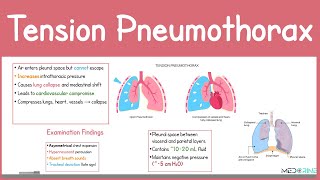
Tension Pneumothorax: Pathophysiology, Clinical signs & Symptoms, Diagnosis and treatment Explained
580 views