
Male Reproductive System Anatomy and Physiology Explained
🛍️ Products Mentioned (1)
The male reproductive system consists of the internal structures: the testes, epididymis, vas deferens, prostate, and the external structures: the scrotum and penis. These structures are well-vascularized with many glands and ducts to promote the formation, storage, and ejaculation of sperm for fertilization, and to produce important androgens for male development. The major male androgen is testosterone, which is produced from Leydig cells in the testes. Testosterone can be converted in the periphery to a more active form, dihydrotestosterone via 5-alpha-reductase, or estradiol via aromatase. Other key hormones include inhibin B and Mullerian inhibiting substance (MIS) hormone, both produced by the Sertoli cells in the testes. Important hormones that modulate these include follicle-stimulating hormone (FSH) and luteinizing hormone (LH), which are released from the anterior pituitary gland and are regulated by gonadotropin-releasing hormone (GnRH), produced by the hypothalamus. Together, these hormones form the hypothalamic-pituitary-gonadal axis that promotes and maintains sexual development and function in the male. Join this our membership section to get access to perks: https://www.youtube.com/channel/UCb1LglhAi_YGQnazlqeWRsQ/join SUBSCRIBE, LIKE and SHARE Check our website for more medical lecture notes at https://medcrine.com Follow us on twitter @medcrine Facebook at www.fb.me/medcrine Pinterest at pinterest.com/medcrine Telegram at t.me/medcrine email us on info@medcrine.com
🎬 More from Medcrine
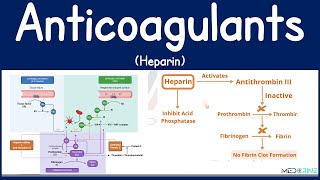
Anticoagulants: Heparin Mechanisms, Clinical Use, and Monitoring and Clinical Insights
1.2K views
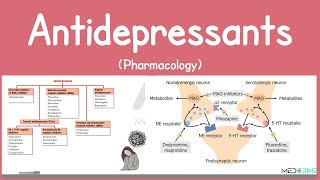
Antidepressants Pharmacology | SSRIs, SNRIs, TCAs, MAOIs, Atypical Antidepressants Simplified
1.0K views
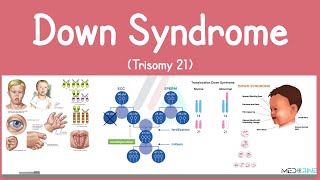
Down syndrome (Trisomy 21) - causes, symptoms, diagnosis, & pathology
376 views
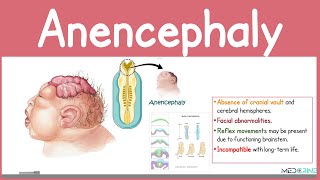
Anencephaly Explained | Neural Tube Defect | Medical and Nursing High-yield Tutorial
1.2K views
Achondroplasia | Causes, Pathophysiology, Symptoms, Diagnosis, and Management Simplified
959 views
Tension Pneumothorax: Pathophysiology, Clinical signs & Symptoms, Diagnosis and treatment Explained
580 views