
Erythrocyte Sedimentation Rate (ESR) Made Simple
Erythrocyte sedimentation rate (ESR) is a non-specific test for inflammation. The test is also used a monitoring tool for response to treatment in conditions in which it is raised (tuberculosis, autoimmune diseases etc. The ESR test is performed in the laboratory by placing anticoagulated blood in an upright tube (Westegren's most often). At the end of an hour of this, the rate of the RBC sedimentation is measured . The ESR is governed by the balance between pro-sedimentation factors, mainly fibrinogen, and those factors resisting sedimentation. When an inflammatory process is present, the high proportion of fibrinogen in the blood causes red blood cells to stick to each other. The red cells form stacks called 'rouleaux,' which settle faster. Rouleaux formation can also occur in association with some lymphoproliferative disorders in which one or more immunoglobulin are secreted in high amounts. A-Effect of plasma protein: Increased in the concentration of fibrinogen and Immunoglobulin's due to tissue injury will increase rouleaux formation and hence the rate of sedimentation. Plasma albumin retards sedimentation of RBCs . B-The RBC size and number : The size and number of RBCs that show alterations in their bioconcavity, like spherocyte and sickle cells, usually do not exhibit increase rate, unless there is severe anemia. Increase red cell mass will retard the sedimentation rate e.g. polycythemia. Normal value: ESR values tend to rise with age and are generally higher in women. ESR is also elevated in the black population and those with anemia . Adult females 0-20 mm/h Adult males 0-15 mm/hr Children 0-10 mm/hr. ESR is determined by the interaction between factors that promote (fibrinogen) and resist (negative charge of RBCs - that repel each other) sedimentation. The anticoagulant used in Wintrobe Method is EDTA . Show us your support by SUBSCRIBING,LIKING and SHARING. Connect with us on our website www.medcrine.com Follow us on twitter @medcrine Telegram at https://t.me/medcrine
🎬 More from Medcrine
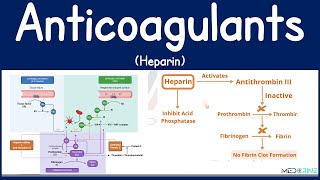
Anticoagulants: Heparin Mechanisms, Clinical Use, and Monitoring and Clinical Insights
1.2K views
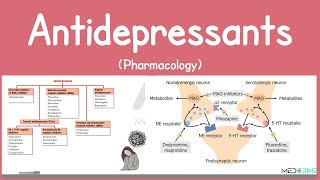
Antidepressants Pharmacology | SSRIs, SNRIs, TCAs, MAOIs, Atypical Antidepressants Simplified
1.0K views
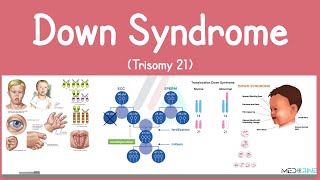
Down syndrome (Trisomy 21) - causes, symptoms, diagnosis, & pathology
376 views
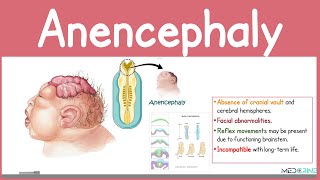
Anencephaly Explained | Neural Tube Defect | Medical and Nursing High-yield Tutorial
1.2K views
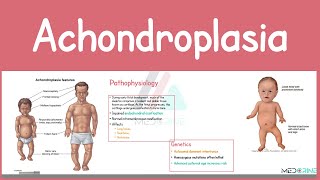
Achondroplasia | Causes, Pathophysiology, Symptoms, Diagnosis, and Management Simplified
959 views
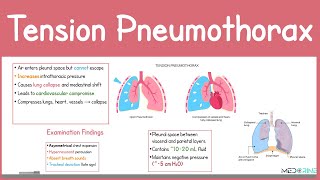
Tension Pneumothorax: Pathophysiology, Clinical signs & Symptoms, Diagnosis and treatment Explained
580 views