
Beta Blockers Pharmacology
🛍️ Products Mentioned (1)
Beta-blockers, as a class of drugs, are primarily used to treat cardiovascular diseases and other conditions. Beta-blockers are indicated and have FDA approval for the treatment of tachycardia, hypertension, myocardial infarction, congestive heart failure, cardiac arrhythmias, coronary artery disease, hyperthyroidism, essential tremor, aortic dissection, portal hypertension, glaucoma, migraine prophylaxis, and other conditions. They are also used to treat less common conditions such as long QT syndrome and hypertrophic obstructive cardiomyopathy. This activity outlines the indications, mechanism of action, safe administration, adverse effects, contraindications, toxicology, and monitoring of the broad array of physiological possibilities when using beta-blockers in the clinical setting. Become a premium Medcriner TODAY! https://www.youtube.com/channel/UCb1LglhAi_YGQnazlqeWRsQ/join Check our website for more medical lecture notes at https://medcrine.com Follow us on www.x.com/medcrine Facebook at www.fb.me/medcrine Pinterest at pinterest.com/medcrine Telegram at t.me/medcrine email us on info@medcrine.com
🎬 More from Medcrine

Anticoagulants: Heparin Mechanisms, Clinical Use, and Monitoring and Clinical Insights
1.2K views
Antidepressants Pharmacology | SSRIs, SNRIs, TCAs, MAOIs, Atypical Antidepressants Simplified
1.0K views
Down syndrome (Trisomy 21) - causes, symptoms, diagnosis, & pathology
376 views
Anencephaly Explained | Neural Tube Defect | Medical and Nursing High-yield Tutorial
1.2K views
Achondroplasia | Causes, Pathophysiology, Symptoms, Diagnosis, and Management Simplified
959 views
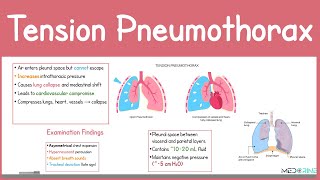
Tension Pneumothorax: Pathophysiology, Clinical signs & Symptoms, Diagnosis and treatment Explained
580 views