
Anticancer Drugs Pharmacology Simplified
🛍️ Products Mentioned (1)
The treatment of a patient with cancer may aim to: Give palliation, for example, prompt relief of unpleasant symptoms such as superior vena cava obstruction from a mediastinal tumour Induce ‘remission’ so that all macroscopic and microscopic features of the cancer disappear, though the disease is known to persist Cure, for which all the cells of the clone must be destroyed. According to the chemical structure and resources of the drug; According to biochemistry mechanisms of anticancer action; According to the cycle or phase specificity of the drug Join this our membership section to get access to perks: https://www.youtube.com/channel/UCb1LglhAi_YGQnazlqeWRsQ/join SUBSCRIBE, LIKE and SHARE Check our website for more medical lecture notes at https://medcrine.com Follow us on twitter @medcrine Facebook at www.fb.me/medcrine Pinterest at pinterest.com/medcrine Telegram at t.me/medcrine email us on info@medcrine.com
🎬 More from Medcrine
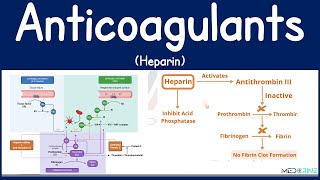
Anticoagulants: Heparin Mechanisms, Clinical Use, and Monitoring and Clinical Insights
1.2K views
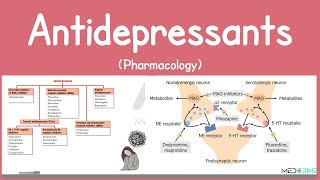
Antidepressants Pharmacology | SSRIs, SNRIs, TCAs, MAOIs, Atypical Antidepressants Simplified
1.0K views
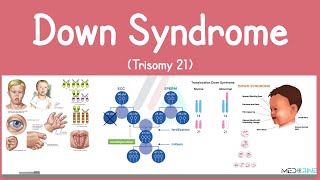
Down syndrome (Trisomy 21) - causes, symptoms, diagnosis, & pathology
376 views
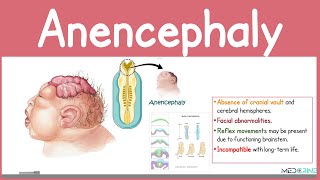
Anencephaly Explained | Neural Tube Defect | Medical and Nursing High-yield Tutorial
1.2K views
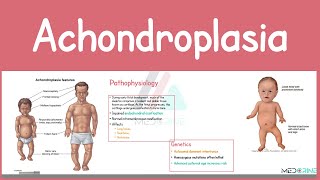
Achondroplasia | Causes, Pathophysiology, Symptoms, Diagnosis, and Management Simplified
959 views
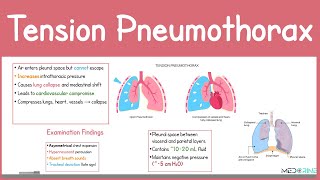
Tension Pneumothorax: Pathophysiology, Clinical signs & Symptoms, Diagnosis and treatment Explained
580 views