
Anatomy and Physiology of the Gastrointestinal Tract Simplified
🛍️ Products Mentioned (1)
The gastrointestinal (GI) system comprises the GI tract and accessory organs. The GI tract consists of the oral cavity, pharynx, esophagus, stomach, small intestine, large intestine, and anal canal. The accessory organs include the teeth, tongue, and glandular organs such as salivary glands, liver, gallbladder, and pancreas. The main functions of the GI system include ingestion and digestion of food, nutrient absorption, secretion of water and enzymes, and excretion of waste products. Join this our membership section to get access to perks: https://www.youtube.com/channel/UCb1LglhAi_YGQnazlqeWRsQ/join SUBSCRIBE, LIKE and SHARE Check our website for more medical lecture notes at https://medcrine.com Follow us on twitter @medcrine Facebook at www.fb.me/medcrine Pinterest at pinterest.com/medcrine Telegram at t.me/medcrine email us on info@medcrine.com
🎬 More from Medcrine
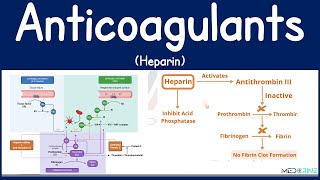
Anticoagulants: Heparin Mechanisms, Clinical Use, and Monitoring and Clinical Insights
1.2K views
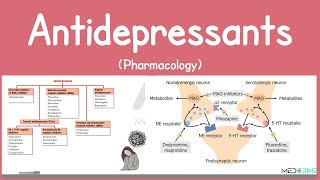
Antidepressants Pharmacology | SSRIs, SNRIs, TCAs, MAOIs, Atypical Antidepressants Simplified
1.0K views
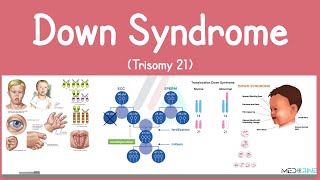
Down syndrome (Trisomy 21) - causes, symptoms, diagnosis, & pathology
376 views
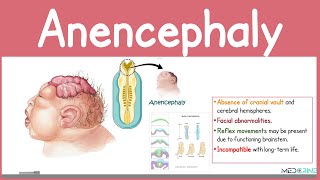
Anencephaly Explained | Neural Tube Defect | Medical and Nursing High-yield Tutorial
1.2K views
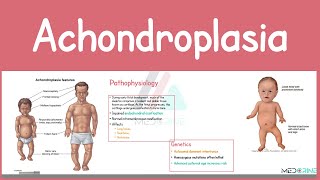
Achondroplasia | Causes, Pathophysiology, Symptoms, Diagnosis, and Management Simplified
959 views
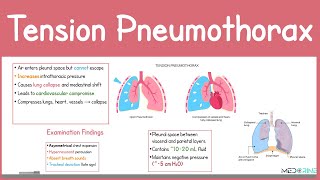
Tension Pneumothorax: Pathophysiology, Clinical signs & Symptoms, Diagnosis and treatment Explained
580 views