
Anatomy and Physiology of Respiratory System
Cells require oxygen from the air to extract energy from glucose through respiration, which produces carbon dioxide and water as a waste product. Therefore, oxygen is vital for every part of normal cellular function, and oxygen deficiency can have severe pathological consequences. The respiratory system facilitates breathing. In the alveoli tissue of the lungs, the exchange of oxygen and carbon dioxide molecules between the air and the bloodstream occurs by passive transport, so that oxygen is taken in and carbon dioxide and water are removed. Passive diffusion (also called bulk flow) is the term for the movement of these gases between the air and bloodstream based on their relative concentration, with the gas with the greater concentration moving across to the area with the lower concentration. This process consumes no energy. The circulatory system is deeply connected with the respiratory system because it distributes the dissolved oxygen to the tissues of the body and the waste carbon dioxide to the lungs. The primary function of the respiratory system is gas exchange between the external environment and an organism’s circulatory system. In humans and other mammals, this exchange balances oxygenation of the blood with the removal of carbon dioxide and other metabolic wastes from the circulation. It shows a cutaway view of the pulmonary alveoli as the terminal ends of the respiratory tree, outcropping from either alveolar sacs or alveolar ducts, which are both sites of gas exchange with the blood. Bronchial anatomy: The pulmonary alveoli are the terminal ends of the respiratory tree, outcropping from either alveolar sacs or alveolar ducts, which are both sites of gas exchange with the blood. As gas exchange occurs, the acid-base balance of the body is maintained as part of homeostasis. If proper ventilation is not maintained, two opposing conditions could occur: respiratory acidosis (a life threatening condition) and respiratory alkalosis. At the molecular level, gas exchange occurs in the alveoli—tiny sacs which are the basic functional component of the lungs. The alveolar epithelial tissue is extremely thin and permeable, allowing for gas exchange between the air inside the lungs and the capillaries of the blood stream. Air moves according to pressure differences, in which air flows from areas of high pressure to areas of low pressure. Show us your support by SUBSCRIBING,LIKING and SHARING. Connect with us on our website www.medcrine.com Follow us on twitter @medcrine Telegram at https://t.me/medcrine
🎬 More from Medcrine
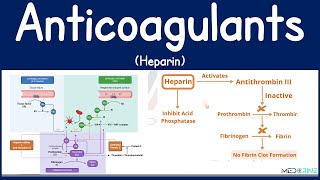
Anticoagulants: Heparin Mechanisms, Clinical Use, and Monitoring and Clinical Insights
1.2K views
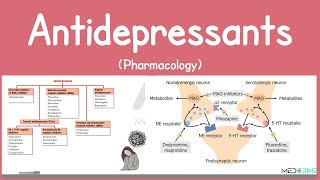
Antidepressants Pharmacology | SSRIs, SNRIs, TCAs, MAOIs, Atypical Antidepressants Simplified
1.0K views
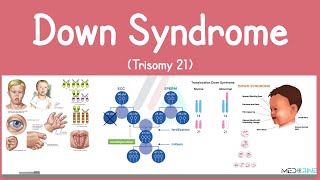
Down syndrome (Trisomy 21) - causes, symptoms, diagnosis, & pathology
376 views
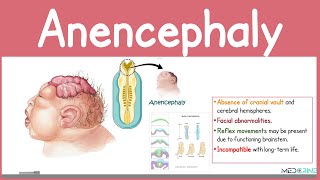
Anencephaly Explained | Neural Tube Defect | Medical and Nursing High-yield Tutorial
1.2K views
Achondroplasia | Causes, Pathophysiology, Symptoms, Diagnosis, and Management Simplified
959 views
Tension Pneumothorax: Pathophysiology, Clinical signs & Symptoms, Diagnosis and treatment Explained
580 views