
Acute Bronchitis : causes,clinical features,diagnosis and treatment
Acute bronchitis is inflammation of the upper airways, commonly following a URI. The cause is usually a viral infection, though it is sometimes a bacterial infection; the pathogen is rarely identified. The most common symptom is cough, with or without fever, and possibly sputum production. In patients with COPD, hemoptysis, burning chest pain, and hypoxemia may also occur. Diagnosis is based on clinical findings. Treatment is supportive; antibiotics are necessary only for selected patients with chronic lung disease. Prognosis is excellent in patients without lung disease, but in patients with COPD, acute respiratory failure may result. Acute bronchitis is frequently a component of a URI caused by rhinovirus, parainfluenza, influenza Aor B, respiratory syncytial virus, coronavirus, or human metapneumovirus. Less common causes may be Mycoplasma pneumoniae, Bordetella pertussis, and Chlamydia pneumoniae. Patients at risk include those who smoke and those with COPD or other diseases that impair bronchial clearance mechanisms, such as cystic fibrosis or conditions leading to bronchiectasis Symptoms and Signs Symptoms are a nonproductive or minimally productive cough accompanied or preceded by URI symptoms. Subjective dyspnea results from chest pain or tightness with breathing, not from hypoxia, except in patients with underlying lung disease. Signs are often absent but may include scattered rhonchi and wheezing. Sputum may be clear, purulent, or, occasionally, bloody. Sputum characteristics do not correspond with a particular etiology (ie, viral vs bacterial). Mild fever may be present, but high or prolonged fever is unusual and suggests influenza or pneumonia. On resolution, cough is the last symptom to subside and often takes several weeks or even longer to do so. Diagnosis • Clinical evaluation • Sometimes chest x-ray Diagnosis is based on clinical presentation. Chest x-ray i necessary only if findings suggest pneumonia (eg, abnormal vital signs, crackles, signs of consolidation, hypoxemia). Elderly patients are the occasional exception. They may require chest x-ray for productive cough and fever in the absence of auscultatory findings (particularly if there is a history of COPD or another lung disorder). Sputum Gram stain and culture usually have no role. Cough resolves within 2 wk in 75% of patients. Patients with persistent cough should undergo a chest xray. Evaluation for pertussis, with a culture from nasopharyngeal secretions, and noninfectious etiologies, such as postnasal drip, allergic rhinitis, and cough variant asthma, may be needed. Treatment • Symptom relief (acetaminophen, hydration, possibly antitussives) • Inhaled β-agonist or anticholinergic for wheezing • Sometimes oral antibiotics for patients with COPD Acute bronchitis in otherwise healthy patients is a major reason that antibiotics are overused. Nearly all patients require only symptomatic treatment, such as acetaminophen and hydration. Antitussives should be used only if the cough is interfering with sleep Patients with wheezing may benefit from an inhaled β2-agonist (eg, albuterol) or an anticholinergic (eg, ipratropium) for 7 days. If cough persists for more than 2 wk because of airway irritation, some patients benefit from a few days of inhaled corticosteroids. Oral antibiotics are typically not used except in patients with pertussis or in patients with COPD who have at least 2 of the following: • Increased cough • Increased dyspnea • Increase in sputum purulence Drugs include amoxicillin 500 mg po tid for 7 days, doxycycline 100 mg po bid for 7 days, azithromycin 500 mg po once/day for 4 days, or trimethoprim/sulfamethoxazole 160/800 mg po bid for 7 days. Show us your support by SUBSCRIBING,LIKING and SHARING. Connect with us on our website www.medcrine.com Follow us on twitter @medcrine Telegram at https://t.me/medcrine
🎬 More from Medcrine
Anticoagulants: Heparin Mechanisms, Clinical Use, and Monitoring and Clinical Insights
1.2K views
Antidepressants Pharmacology | SSRIs, SNRIs, TCAs, MAOIs, Atypical Antidepressants Simplified
1.0K views
Down syndrome (Trisomy 21) - causes, symptoms, diagnosis, & pathology
376 views
Anencephaly Explained | Neural Tube Defect | Medical and Nursing High-yield Tutorial
1.2K views
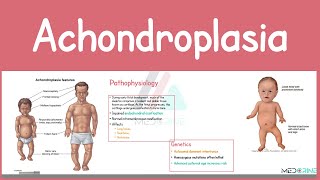
Achondroplasia | Causes, Pathophysiology, Symptoms, Diagnosis, and Management Simplified
959 views
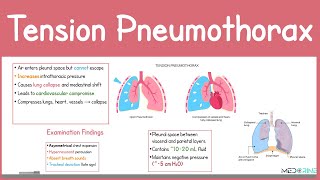
Tension Pneumothorax: Pathophysiology, Clinical signs & Symptoms, Diagnosis and treatment Explained
580 views