
Webinar Replay - International Team Member Success
Dive deeper into the challenges and strategies for managing remote teams. Managing remote teams presents its own set of challenges, from communication barriers to ensuring productivity and maintaining team cohesion. Here are some strategies for effectively managing remote teams: Clear Communication Channels: Establish clear channels for communication, such as email, instant messaging platforms like Slack, and regular video calls. Ensure that everyone knows how and when to communicate, and encourage open dialogue. Set Expectations: Clearly define roles, responsibilities, and goals for each team member. Set clear expectations for deadlines, deliverables, and communication frequency. This helps remote team members stay on track and know what is expected of them. Regular Check-ins: Schedule regular check-in meetings with remote team members to discuss progress, address any challenges they may be facing, and provide feedback. These meetings help maintain accountability and keep everyone aligned with the team’s goals. Use Technology Tools: Utilize project management and collaboration tools like Asana, Trello, or Monday.com to track tasks, projects, and deadlines. These tools help remote teams stay organized and collaborate effectively, even across different time zones. Encourage Collaboration: Foster a collaborative environment by encouraging remote team members to share ideas, provide input, and collaborate on projects. Use virtual team-building activities and icebreakers to strengthen team relationships and morale. Provide Training and Support: Offer training and support to remote team members to help them develop their skills and stay engaged. Provide resources, mentorship, and opportunities for professional development to help remote team members succeed in their roles. Cultural Sensitivity: Be mindful of cultural differences and adapt your management style accordingly. Understand and respect cultural norms, communication styles, and work preferences to create an inclusive and supportive environment for all team members. Promote Work-Life Balance: Encourage remote team members to maintain a healthy work-life balance by setting boundaries around work hours, taking breaks, and prioritizing self-care. Support flexible work arrangements and accommodate different time zones to promote well-being and productivity. By implementing these strategies, you can effectively manage remote teams and maximize their productivity, engagement, and success.
🎬 More from The Evernest Property Management Show
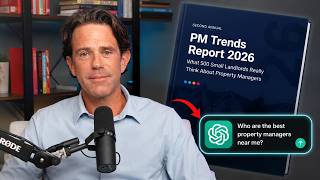
The 2026 PM Trends Report Reveals a Massive Industry Shift
19 views

The 3 Meetings Every Property Management Company Needs
59 views

The 3 Biggest Misconceptions About Managing People
80 views

The Future of Property Management: Scale Up or Stay Boutique
210 views

Building Evernest: The 3 Principles Behind Award-Winning Property Management
275 views

How AI Is Changing Property Management: Strategy, Risks & What’s Next (Part 2)
128 views