
System Design | Microservices vs Monolith - Choosing the right Approach
🛍️ Products Mentioned (9)
Spring Boot E-Commerce Full Stack Course
Spring Boot E-Commerce Microservices Course
Embarkx Product

IntelliJ Idea Ultimate Coupon Here
4. MASTER SPRING SECURITY WITH REACT JS+OAUTH2[34+ HOURS]
Master Basics to Advance:
6. LEARN JAVA WITH 60+ HOURS OF CONTENT
7. MASTER INTELLIJ IDEA

Join us on Telegram community
🔥 Check out the Spring Boot E-Commerce Full Stack Course here 👉 https://link.embarkx.com/spring-boot 🔥 Check out the Spring Boot E-Commerce Microservices Course here 👉 https://link.embarkx.com/microservices Get IntelliJ Idea Ultimate Coupon Here: https://intellij.embarkx.com/ *THE ULTIMATE JAVA AND SPRING BOOT MASTERY* 1. SPRING BOOT FULL STACK BY BUILDING COMPLEX ECOMMERCE PROJECT STEP BY STEP [90+ HOURS OF CONTENT]: https://link.embarkx.com/spring-boot 2. MASTER SPRING BOOT ECOMMERCE MICROSERVICES [70+ HOURS] : https://link.embarkx.com/microservices 3. MASTER SPRING SECURITY WITH REACT JS+OAUTH2[34+ HOURS]: https://link.embarkx.com/spring-security 4. MASTER SPRING BOOT DATA JPA & HIBERNATE: Master Basics to Advance: https://link.embarkx.com/jpa 5. LEARN JAVA WITH 60+ HOURS OF CONTENT: http://link.embarkx.com/java 6. MASTER INTELLIJ IDEA: http://link.embarkx.com/intellij ROADMAP: https://embarkx.com/roadmap Join us on Telegram community: https://link.embarkx.com/telegram
About This Video
Frequently Asked Questions
🎬 More from EmbarkX | Learn Programming | Faisal Memon
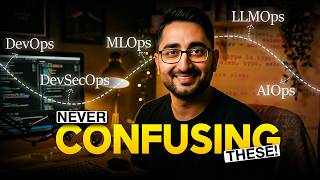
Devops vs DevSecOps vs MLOps vs LLMOps vs AIOps | Explained Simply
756 views
Projects that Can Get You Hired Today | We Ranked Them
4.5K views
Docker vs Kubernetes: When You ACTUALLY Need Each #devops #kubernetes #docker #embarkx
4.1K views
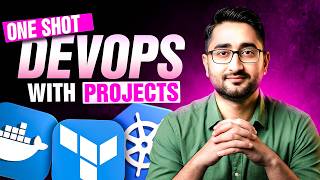
Full Stack AI DevOps Course + Real Projects 🚀 | Docker + Kubernetes + CI/CD + Terraform | Job Ready
40.9K views

Authentication Concepts for Developers | OAuth2 vs JWT vs Basic Auth | Every Dev should Master
2.2K views

Will AI Take Developer Jobs? How Should You Find Jobs in 2026?
3.0K views