
AI Won’t Replace You - But Academics Who Use AI Will
🛍️ Products Mentioned (9)
Undetectable AI
Thesify
Elicit
Jenni AI
Julius AI
Join 21,000+ email subscribers receiving the free tools and academic tips directly from me
Become a Master Academic Writer With AI using my course
Unriddle
AnswerThis
Links and Codes: Thesify: https://thesify.ai?fpr=andy60 Elicit: https://elicit.com/?via=andrew Elicit: https://elicit.com/?via=andrew UndetectableAI: https://undetectable.ai?fpr=andy Jenni AI: https://jenni.ai/?via=andy-stapleton (Use codes: andy30, ANDY20) Julius AI: https://julius.ai/?via=andrew-stapleton (ANDY20 — offers 20% off) AnswerThis: https://answerthis.io?deal=andy42 (STAPLETON10 - 10% off) Unriddle: https://www.unriddle.ai/?ref=andrew (ANDY20 - 20 % off) In this video, I share my perspective on how AI tools for researchers are transforming the academic landscape—and why that change is not something to fear, but something to prepare for. ▼ ▽ Sign up for my FREE newsletter Join 21,000+ email subscribers receiving the free tools and academic tips directly from me: https://academiainsider.com/newsletter/ ▼ ▽ MY TOP SELLING COURSE ▼ ▽ ▶ Become a Master Academic Writer With AI using my course: https://academy.academiainsider.com/courses/ai-writing-course As someone who works closely with research students and academic institutions, I’ve noticed a growing divide between those who embrace AI tools and those who resist them. This isn’t just about efficiency. It’s about redefining what academic success looks like in a world where AI for research is becoming the norm rather than the exception. Rather than framing this as a threat, I believe we need to look at it as a shift in skill focus. Yes, some traditional research skills—like manually formatting references or spending hours on a first draft—may become less central. But new, arguably more important skills are taking their place: critical analysis, idea generation, and the ability to interrogate AI-generated content. AI tools for research writing can handle the grunt work, allowing us to focus on what matters most: the thinking behind the work. Throughout the video, I also reflect on how institutional policies are struggling to keep up with these rapid changes. Many universities are hesitant, even fearful, about how the future of AI in research might change learning outcomes, assessment criteria, and teaching practices. But that hesitation can hold students and researchers back from exploring what’s possible. If we want to prepare the next generation of scholars, we have to equip them not just with knowledge, but with fluency in the tools that will define the future. AI tools for researchers are not a shortcut—they are a new foundation. And how we teach, assess, and value research will need to evolve alongside them. This video is not just about the tools themselves, but about the mindset shift required to work with them responsibly and creatively. I hope it prompts some reflection on where we are headed—and how we can shape that direction together. ................................................ ▼ ▽ TIMESTAMPS 00:00 Intro 00:39 What About the Skills Lost 02:29 The Sick Obsession with Suffering 04:21 The Need to change what Success Looks Like 07:08 Research Institutions Should Listen to This. 10:56 Outro ................................................ ▼ ▽ Socials for shorts and reels Instagram: https://www.instagram.com/drandystapleton/ TikTok: https://www.tiktok.com/@drandystapleton
🎬 More from Andy Stapleton
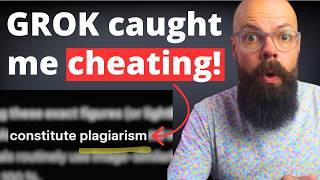
Grok AI CAUGHT Me Plagiarising...Grok AI Secrets for Researchers
2.9K views

Perplexity Pro for Academics: Features You’re Overlooking
7.6K views

These 7 AI Tools Make ChatGPT Look Outdated
12.8K views

PhD? Don't Start a PhD Until You Watch This!
11.1K views

3 Free Ways To Access Academic Papers Now SciHub is Rubbish
9.3K views

NotebookLM for Academics: Full Setup & Advanced Workflows
32.5K views