
What Kind Of Charcoal Do You Use For Yakitori?
🛍️ Products Mentioned (2)
Today I want to look at what kind of charcoal you use for yakitori japanese grilling. Today, there is something trending in the western world—yakitori. This is a Japanese word that means a grilled chicken. Check out the full post with some igniting tips on my blog: https://www.bitemybun.com/what-kind-of-charcoal-do-you-use-for-yakitori/ If you like Japanese food, you should get our free recipe quick guide, it's the ultimate EASY quick guide with our favorite recipes: https://www.bitemybun.com/free-japanese-cookbook/ However, this name doesn’t describe the complexity, variety, as well as the cultural meaning of Japan’s most desired grilled meat. Yakitori comprises of small and elegant skewers (mostly made of chicken, and it can be made of other meat, as well as vegetables, but then it wouldn be called yakitori). These are the embodiment of Japanese BBQ and are considered to be some of the best fast foods in Asia. Binchotan is the only traditional choice of charcoal when it comes to Yakitori grilling. there are three types of charcoal that you can use for yakitori. These include lump charcoal, briquette, and binchotan (with binchotan being the only traditional choice of course). If you're just grilling at home, you might do fine with lump charcoal or briquettes, just as you normally would use with your grill, but for the best taste you should go with binchotan and I'll get to why in a second. Many chefs from different parts of the world love binchotan. It is a highly pure carbon charcoal, which is produced from oak. Binchotan is entirely odorless, unlike briquettes and lump charcoal, because of its high carbon content. As a result, binchotan allows you to enjoy the ordinary flavors of your food. So, how do you identify binchotan charcoal? It’s pretty simple—you just need to hit two pieces of the charcoal together, and they will produce a light-metallic sound. To produce binchotan, oak wood is burned in a sealed kiln at low temperatures for an extended period of time. This can take up to four days. Oxygen levels in the kiln are reduced to allow carbonization to occur. Then, it is refined at high temperatures, of over 950 degrees Celsius for a short period of time. After the firing process, the charcoal is removed from the kiln and then smothers with ash, soil, and sand. The smothering process gives the charcoal its unique white appearance. The end product is a highly solid charcoal, with a carbon content of around 93% to 95%. The best binchotan in the world comes from Kishu, and it is said that it has a carbon content of around 96%. So, why do people love binchotan? Binchotan comes with numerous benefits, and that’s the reason why many yakitori chefs love it. First, it burns cleanly, and it produces a steady heat. In addition, it is said that its ashes can neutralize the acids found in proteins, as well as other unwanted acidic products as the meat continues to cook. Since this charcoal produces far-infrared radiation, foods are sealed quickly, and this helps in improving the natural flavors found in food. Furthermore, it is essential to note that binchotan is a very dense charcoal, which means it can burn for an extended period of time. Each piece of the charcoal can burn for up to 5 hours, but this also depends on the thickness. The major drawback of binchotan is that that it’s hard to ignite, compared to briquettes and lump charcoal.
🎬 More from Bitemybun Japanese food
Top 17 Popular Filipino Recipes and Foods for Christmas and New Year (COMPLETE)
59 views

Top 10 FILIPINO FOODS for New Year's Eve! (Media Noche)
970 views
Adobong Sitaw with Oyster Sauce
173 views
Sizzling Pork Sisig with chicken liver filipino pinoy recipe
317 views
Pinoy Omelet Filipino Ham & Cheese Omelette
277 views
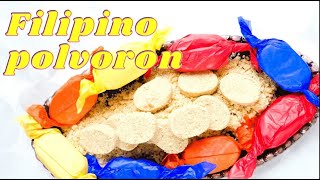
Filipino Polvoron cookies recipe: make Pinoy sweets at home
132 views