
The different Furikake seasoning flavors available
🛍️ Products Mentioned (3)
Today I want to look at furikake seasoning. If you are a foodie or recently came across a Japanese restaurant, you might have noticed people sprinkling colorful, crispy toppings on their rice. Check out my favorite furikake brand: https://amzn.to/3i8idup (if you buy something through this link, I might earn a commission at no extra cost to you. It's how I support the channel) Well, this crunchy, colorful topping has got a very addictive name – furikake! Check out all of the flavors on my blog: https://www.bitemybun.com/best-furikake-seasoning/ If you like Japanese food, you should get our free recipe quick guide, it's the ultimate EASY quick guide with our favorite recipes: https://www.bitemybun.com/free-japanese-cookbook/ One of the great things about Japanese cuisine is that it offers a combination of flavors in a single meal and furikake is one of them. Japanese, including people across the globe, are going crazy for furikake. And if you have tasted it, you know why. It can spice up even a plain bowl of rice – what’s your superpower? WHAT IS FURIKAKE SEASONING? Furikake seasoning is traditionally used as a topping for rice, but it tastes great on almost every savory food you can imagine. It’s a combination of different varieties of dried ingredients that often include powdered egg, dried fish, sesame seeds, wasabi, and dried seaweed. The best part, you can create your own mix, controlling what’s in it by putting as little or as much ingredient in as you like. Furikake adds a crunchy texture to whatever it is sprinkled on. It bursts with salty and savory notes, making it a great seasoning and garnish. Furikake seasoning offers a great source of protein and other nutrients like calcium. It was first introduced to address calcium deficiency and malnourishment in the Japanese population, especially among children. Today, it is sold commercially as a catalyst that improves the taste of the food while giving nutritional value. It is sprinkled on fish, vegetables, and cooked rice and typically contains flavorful ingredients like sugar, salt, a variety of dried fish, chopped seaweed, monosodium glutamate, bonito flakes, dried vegetables, and other ingredients. Furikake is often flakey and brightly colored. It has slight seafood or fish flavoring with a pinch of spicy tang. It is mostly used in Japanese cuisine for rice balls like these onigiri and pickled foods. In recent years, furikake has gained major prominence in western countries and across the globe. People use it as a seasoning for fried or baked fish, snack foods, and raw fish and meat salads. In Japan, you can find furikake in every department store. And outside the country, most Asian supermarkets and grocery stores have an aisle for different flavors of furikake. However, if you are looking for furikake and it’s nowhere to be found even in your local Asian grocery store, your best bet is to look online on sites like Amazon.com. FLAVORS OF FURIKAKE SEASONING The following are the major types of furikake seasoning flavors available: Wasabi Furikake – it includes dried wasabi as the primary ingredient Salmon Furikake – it includes dried salmon crumbs as the primary ingredient Shiso Furikake – it is made from dried, crushed, and seasoned reed perilla leaves Nori Komi Furikake – it includes tiny pieces of seasoned nori komi seaweed as the primary ingredient Occasionally, people may add matcha green tea, bonito flakes, sesame seeds, and omelet pieces to their furikake seasoning. Some people love the classic wasabi flavor while others have a thing for the seaweed-sesame seed combo. You have to try different flavors to see what works for you the best. The easiest way to use furikake is with cooked rice or with noodles. You can sprinkle it on top of salads and eggs. I have seen people using furikake as a topping on spaghetti, as pasta garnish, on fried chicken, and even popcorn: There are plenty of recipes when it comes to making a furikake recipe. As you can see, furikake seasoning is simply a combination of different flavors and ingredients. So, you can personalize your furikake with the ingredients you prefer and like and give it a tasty, salty, sour, or spicy flavor. My version of homemade furikake seasoning includes a medley of ingredients, such as leftover bonito flakes (katsuobushi), roasted seaweed, sesame seeds, and more. Ingredients 1 tsp sugar 1 tsp sea salt 1 tbsp dried shrimp ¼ cup bonito flakes 3 tbsp sesame seeds 1 tbsp dried seaweed 1 tbsp dried salmon or anchovies soy sauce optional to taste
🎬 More from Bitemybun Japanese food

Top 17 Popular Filipino Recipes and Foods for Christmas and New Year (COMPLETE)
59 views

Top 10 FILIPINO FOODS for New Year's Eve! (Media Noche)
970 views

Adobong Sitaw with Oyster Sauce
173 views

Sizzling Pork Sisig with chicken liver filipino pinoy recipe
317 views

Pinoy Omelet Filipino Ham & Cheese Omelette
277 views
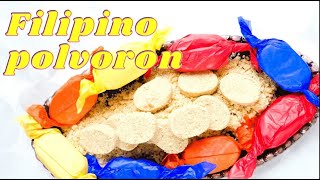
Filipino Polvoron cookies recipe: make Pinoy sweets at home
132 views