
Does Lighter Mean More Efficient Running?
Does being lighter make runners more efficient? Part 2 of 5: The science… and some important warnings 🧠🏃♂️ Before we start, pause with me! Weight conversations can be triggering and emotional. If you’ve struggled with weight, body image, or disordered eating, I see you. I’ve been overweight myself, and I’m sharing this with care, not judgement or pressure. This comes from a good place. ❤️ I’ve been there, and in some ways I still am. I’m also a Level 3 qualified personal trainer and have helped people navigate this safely — so this isn’t just opinion. Please don’t reduce me down to “just an influencer”. ⚠️ Why caution matters Chasing weight loss the wrong way can seriously backfire: ❌ Increased injury risk ❌ Disordered eating & eating disorders ❌ RED-S (Relative Energy Deficiency in Sport) ❌ Obsessing over numbers Your worth is not defined by scales or measurements. 📚 What the research generally shows When I started looking into this I discovered Alex Hutchinson (PhD, University of Cambridge) and his article on @runnersworldmag highlighting multiple studies on weight and running efficiency and admits it’s an uncomfortable topic — but the findings are consistent. What I took from it all: 1) Keeping fitness the same, adding extra body weight tends to reduce running efficiency and performance. • Making runners lighter generally improves performance and efficiency. • Where weight is carried matters Another word of caution: When we say “weight,” it matters what kind. Losing muscle and strength is NOT good. The discussion here is about excess body fat — not sacrificing health, energy, or enjoyment. Science evolves. Studies can be challenged and improved. Take this with the intention it’s shared — not as a rulebook. Big Love Aubrey
🎬 More from Bigger Than Running

Tokyo Marathon 2026: Everything Before The Race
4.0K views

TOKYO Marathon 2026: Part 1| Travel
5.3K views
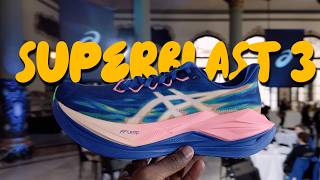
I Flew to Seville Marathon 2026...Superblast 3 Launch Vlog 🇪🇸👟
6.0K views

Seville Marathon 2026
2.8K views

Running Shoes That Defined My Year | PBS, Memories and Highlights
2.8K views

Asics Metaspeed Ray vs Metaspeed Sky
2.5K views